


1970½ — a new car under a continuing name
Second Generation
Through the fuel crises on one body, and out the other side with a sales record.

The second generation ran twelve model years on one basic body, the longest run in the Camaro's history, and it was longer, lower and more European in its proportions than the car it replaced. It carried the Camaro through the whole of the 1970s: two fuel crises, unleaded fuel and catalytic converters, the switch from gross to net horsepower, 5-mph bumpers, and a 1972 strike that sharply reduced production and prompted later near-cancellation accounts. A formal GM cancellation decision remains unverified.
There was no convertible. The same basic car went on to 1979, the best-selling model year the Camaro has ever had.

The 1970½ Launch
The second generation went on sale on February 26, 1970, months into the model year. That is where the enthusiast name "1970½" comes from; Chevrolet's own designation was simply 1970. A strike often gets the blame, but the documented cause was tooling at Fisher Body. The new rear quarter-panel dies gave so much trouble that they were modified, then redesigned and rebuilt, a delay of four to five months.
The 1972 Strike
A 174-day UAW strike at Norwood, Ohio, stopped Camaro and Firebird production from April to September 1972. The Camaro White Book reprint in GM's archive says about 1,100 partly assembled cars were scrapped over the cost of meeting 1973 bumper and emission requirements. Other accounts differ on their condition and fate. This is a retrospective explanation, not a traced factory disposal ledger. Reported production totals differ by five cars, 68,651 versus 68,656; the Norwood feature retains the sources and discrepancies.
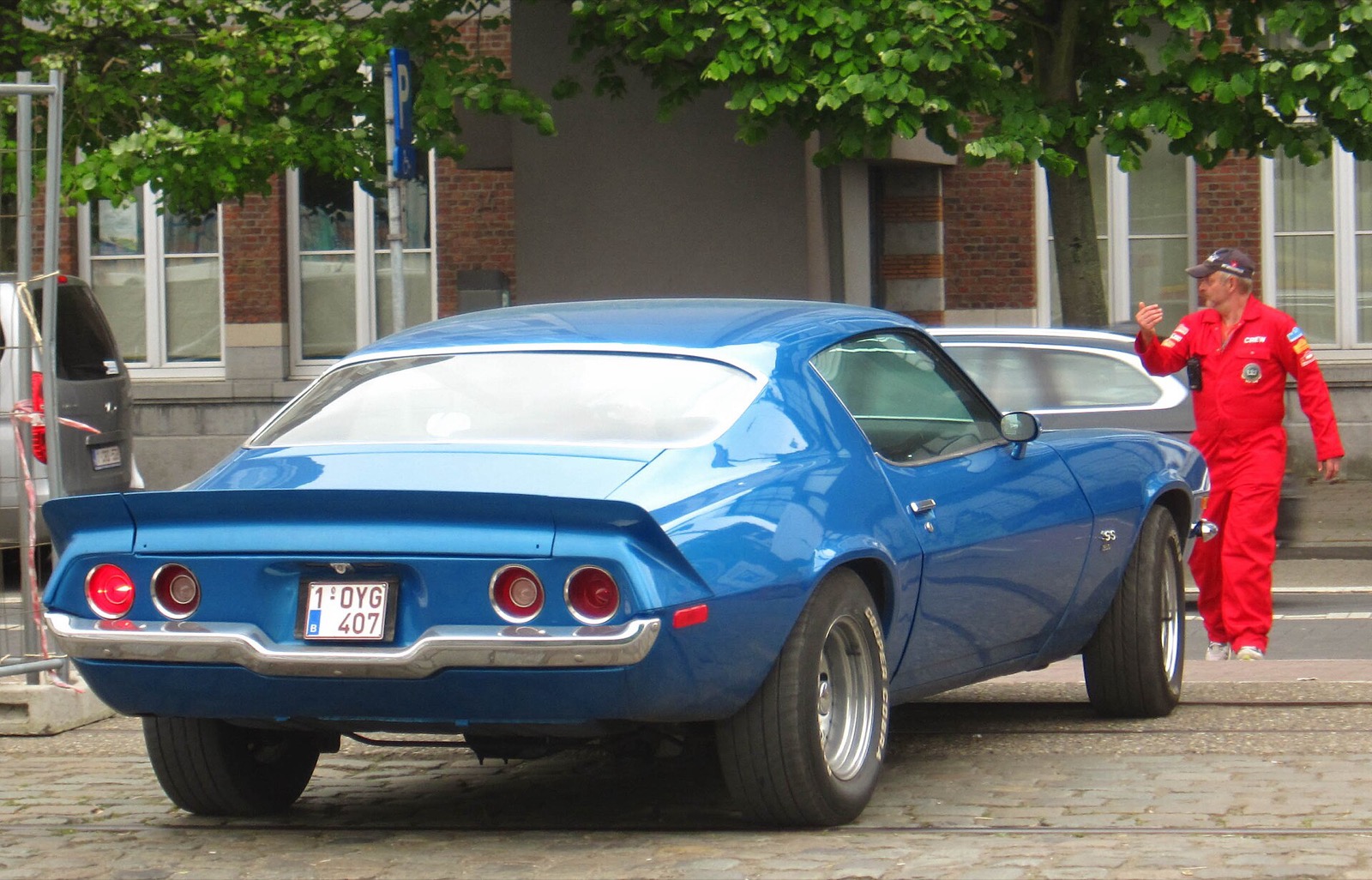
Unfinished cars are separate from recorded production
GM is widely reported to have considered dropping both the Camaro and the Firebird to simplify compliance with the new safety, emissions and economy rules, and to have kept them after pushback from dealers and owners. No GM planning document recording a formal decision has surfaced.
The Z28: Dropped and Brought Back
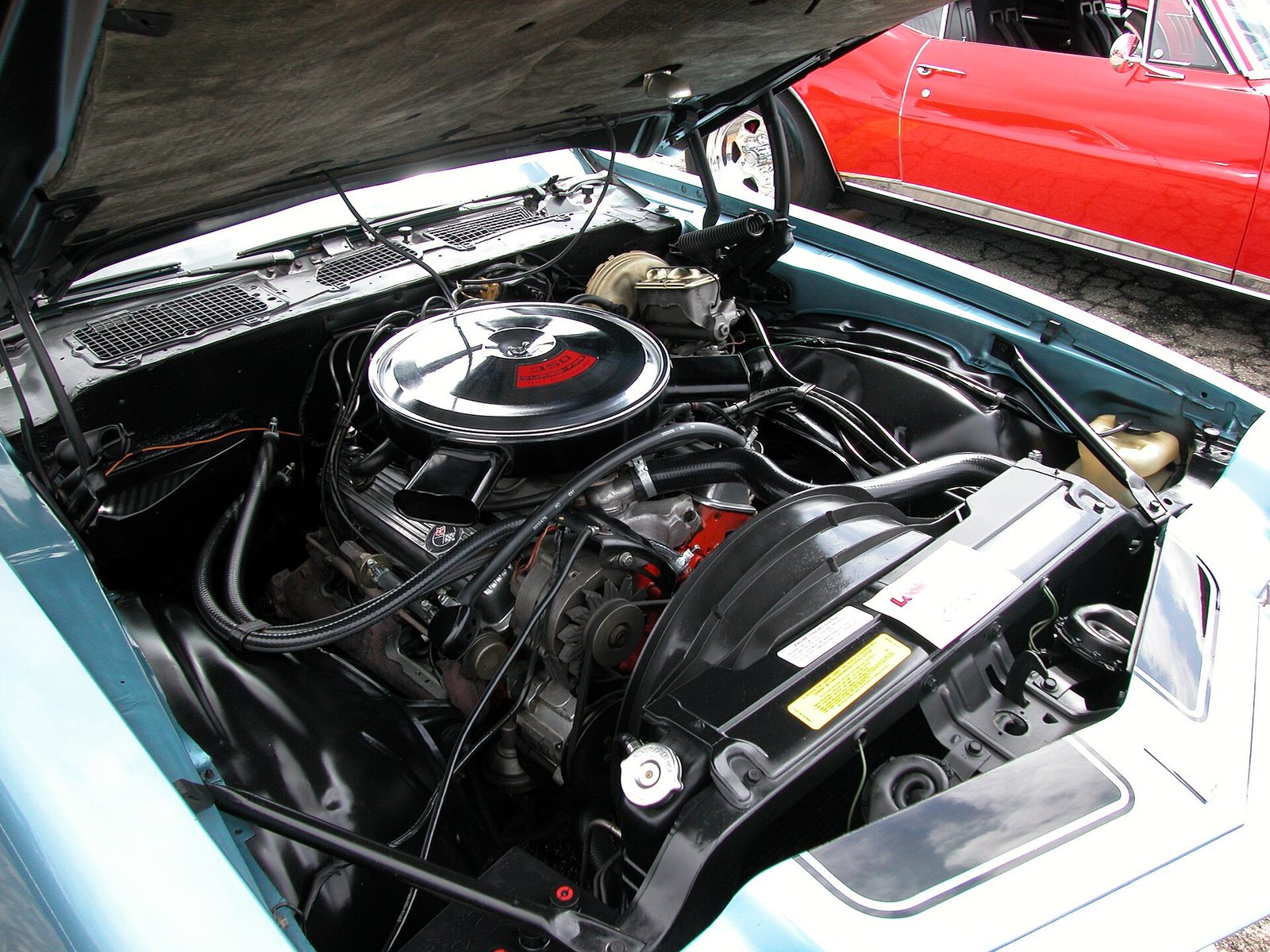
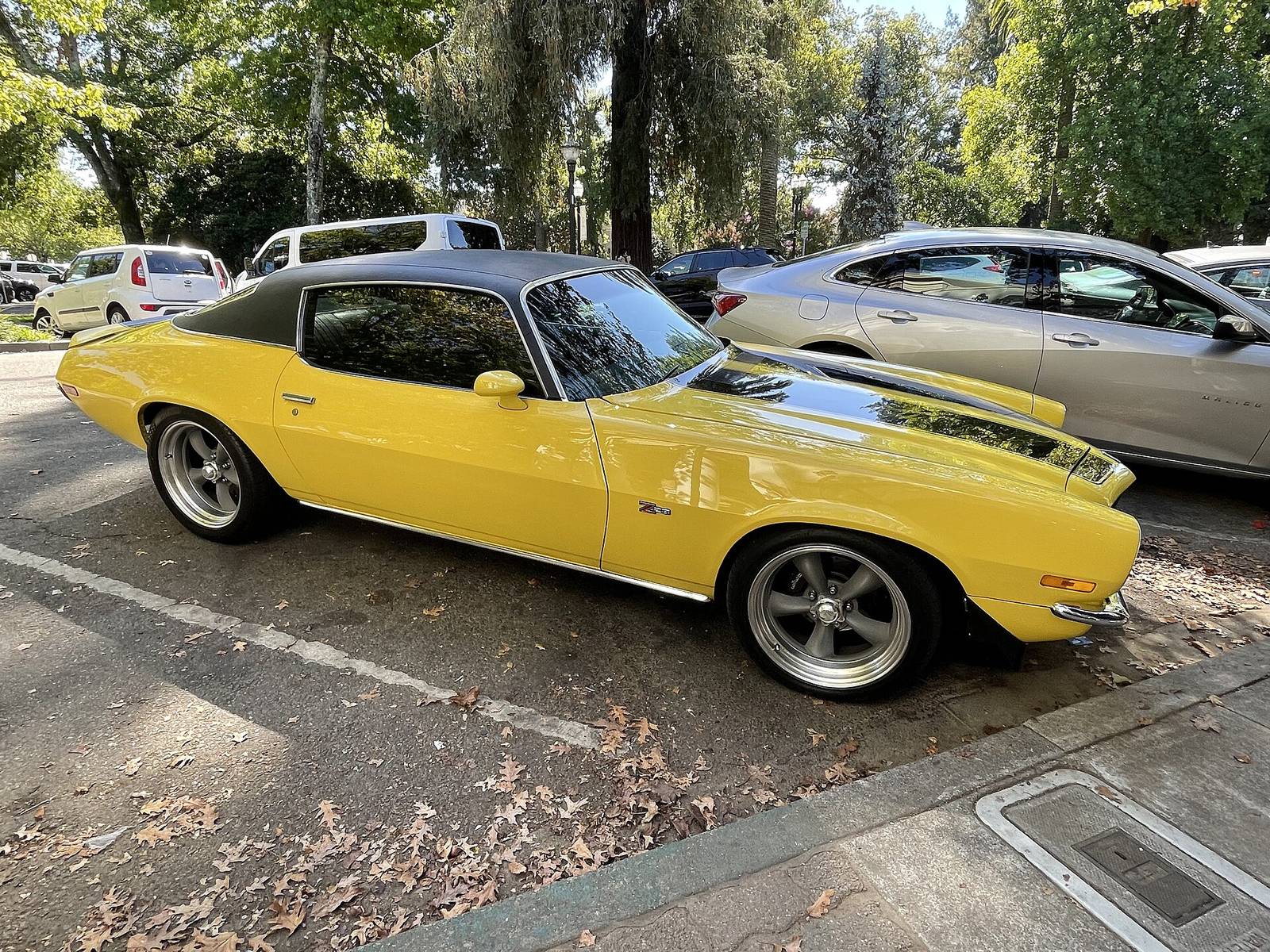
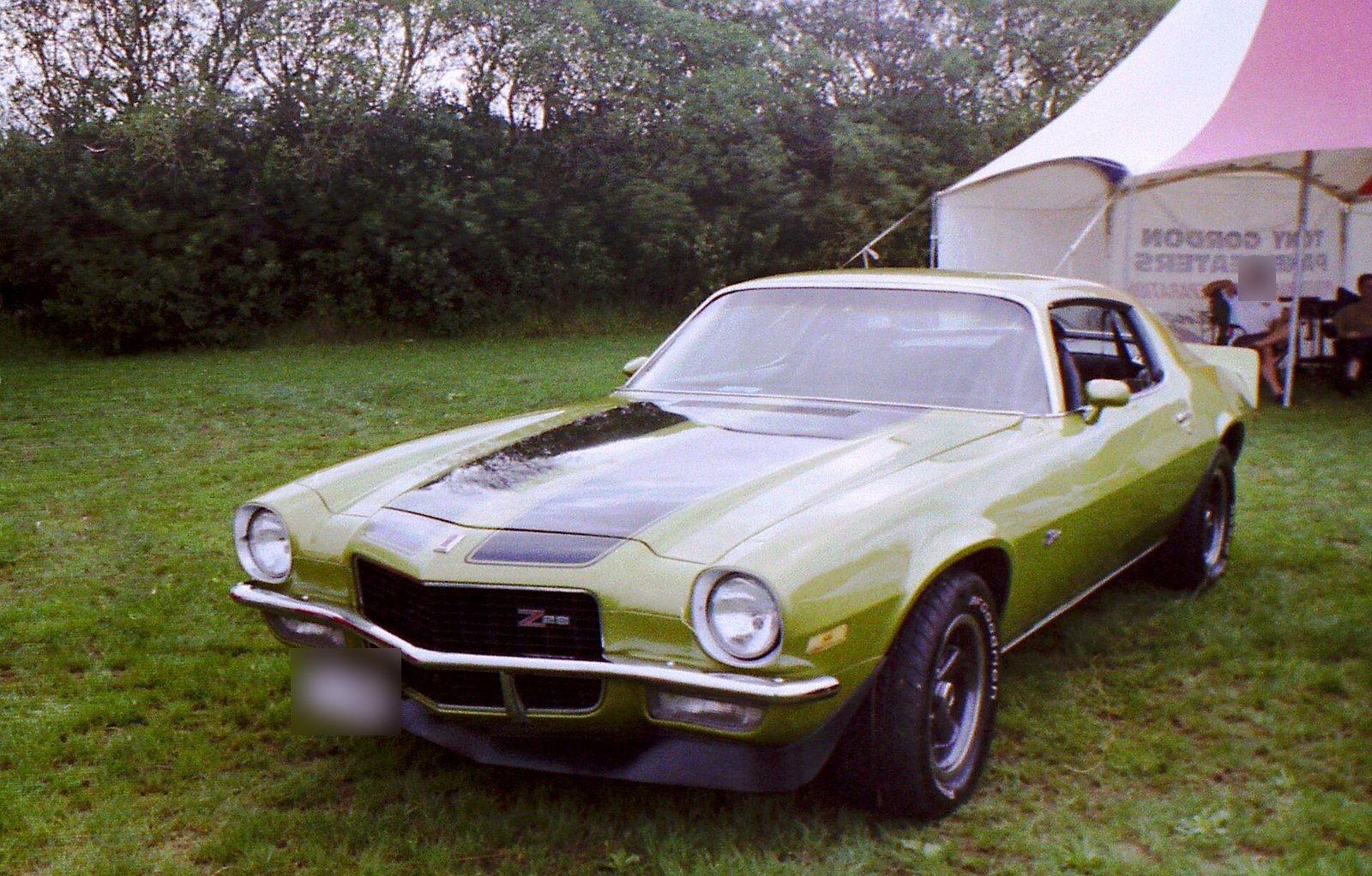
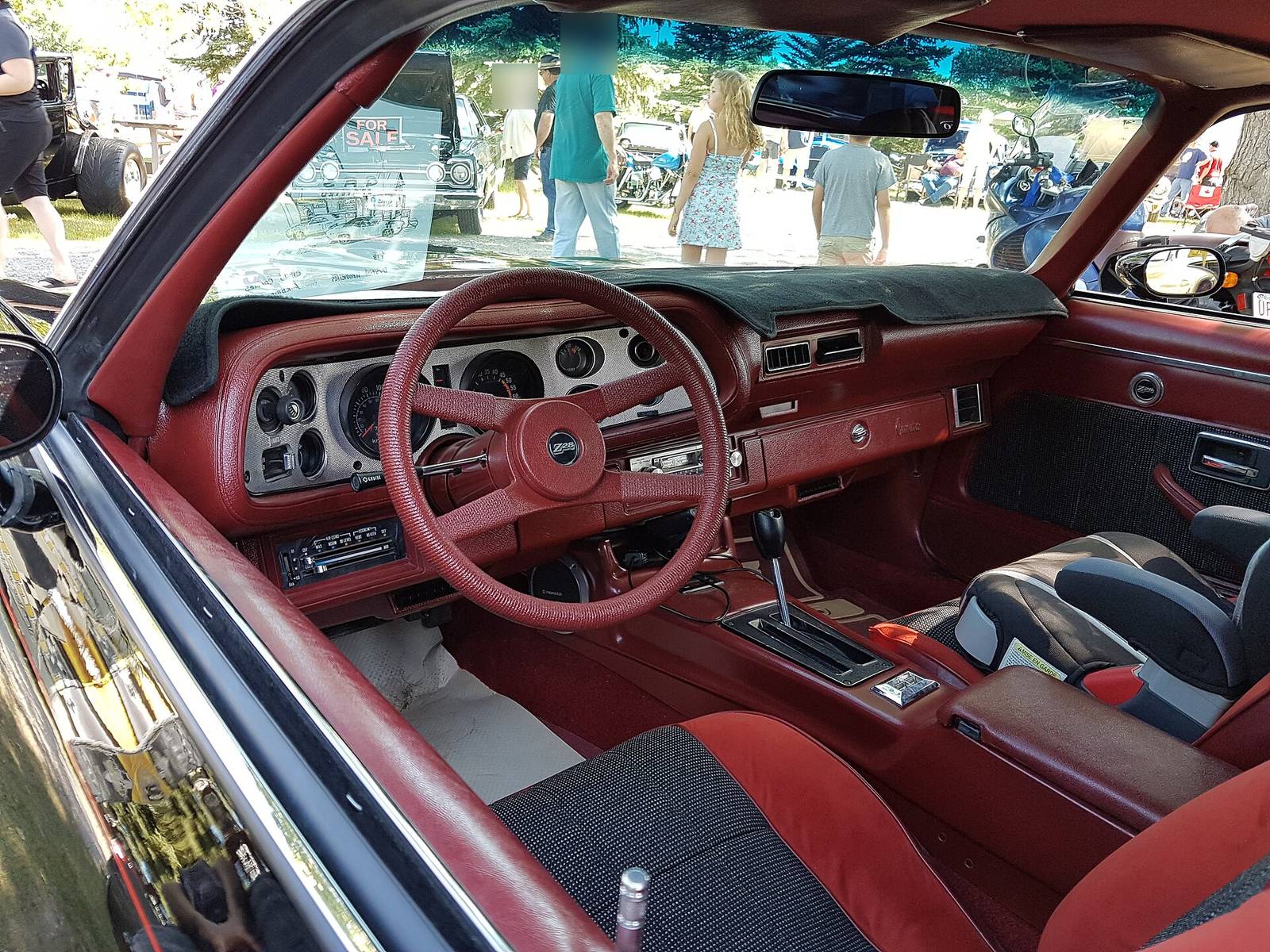
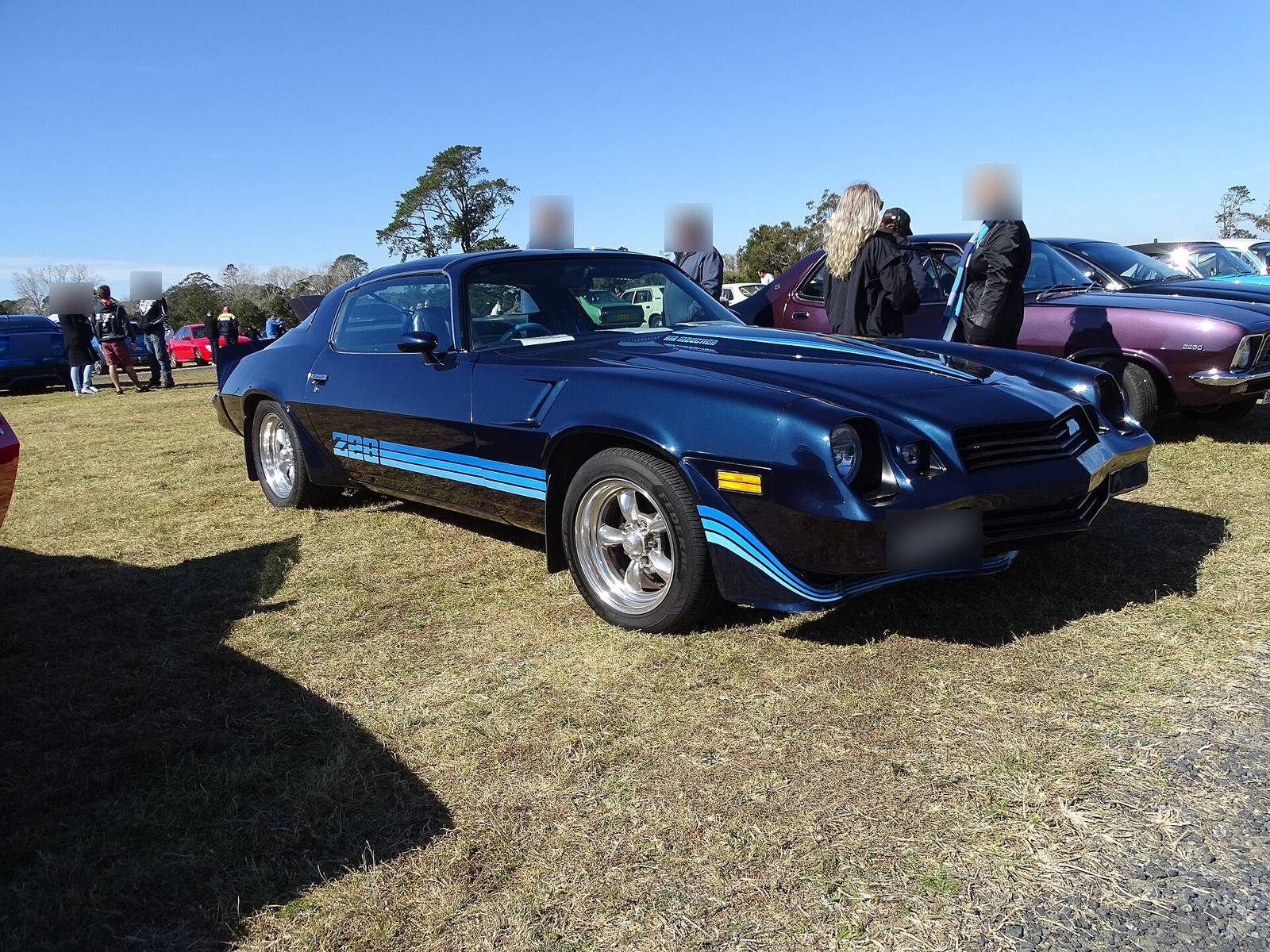
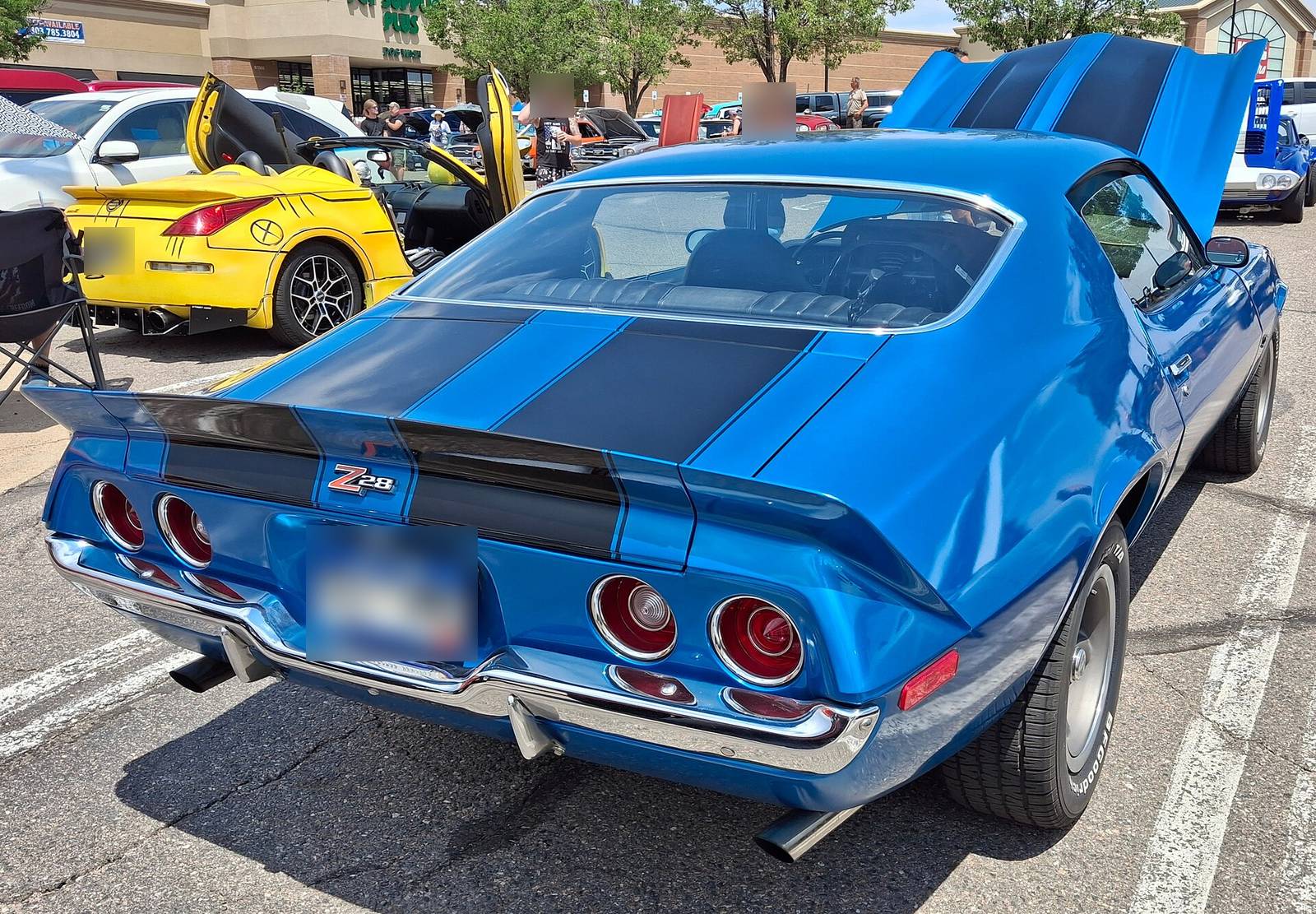
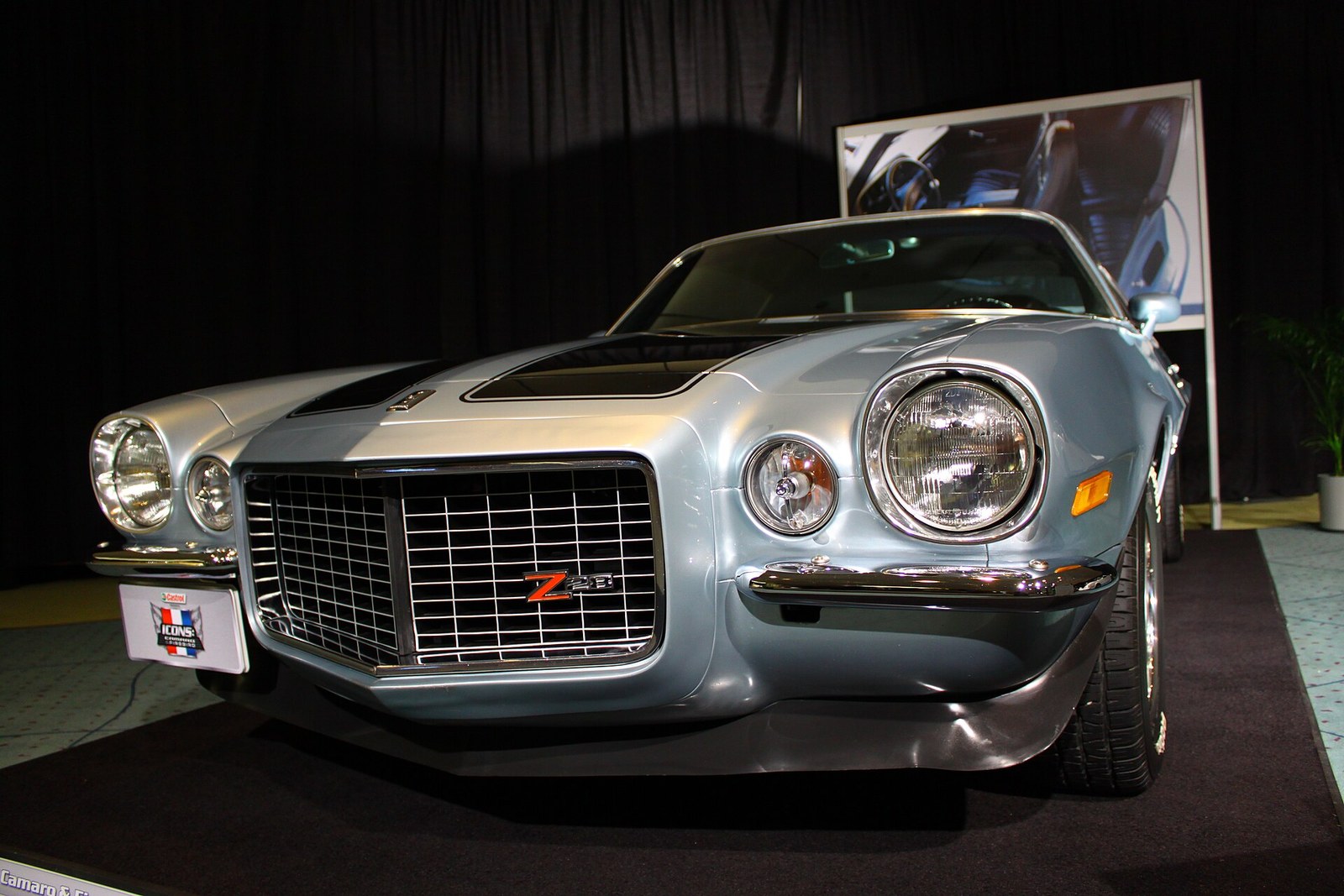
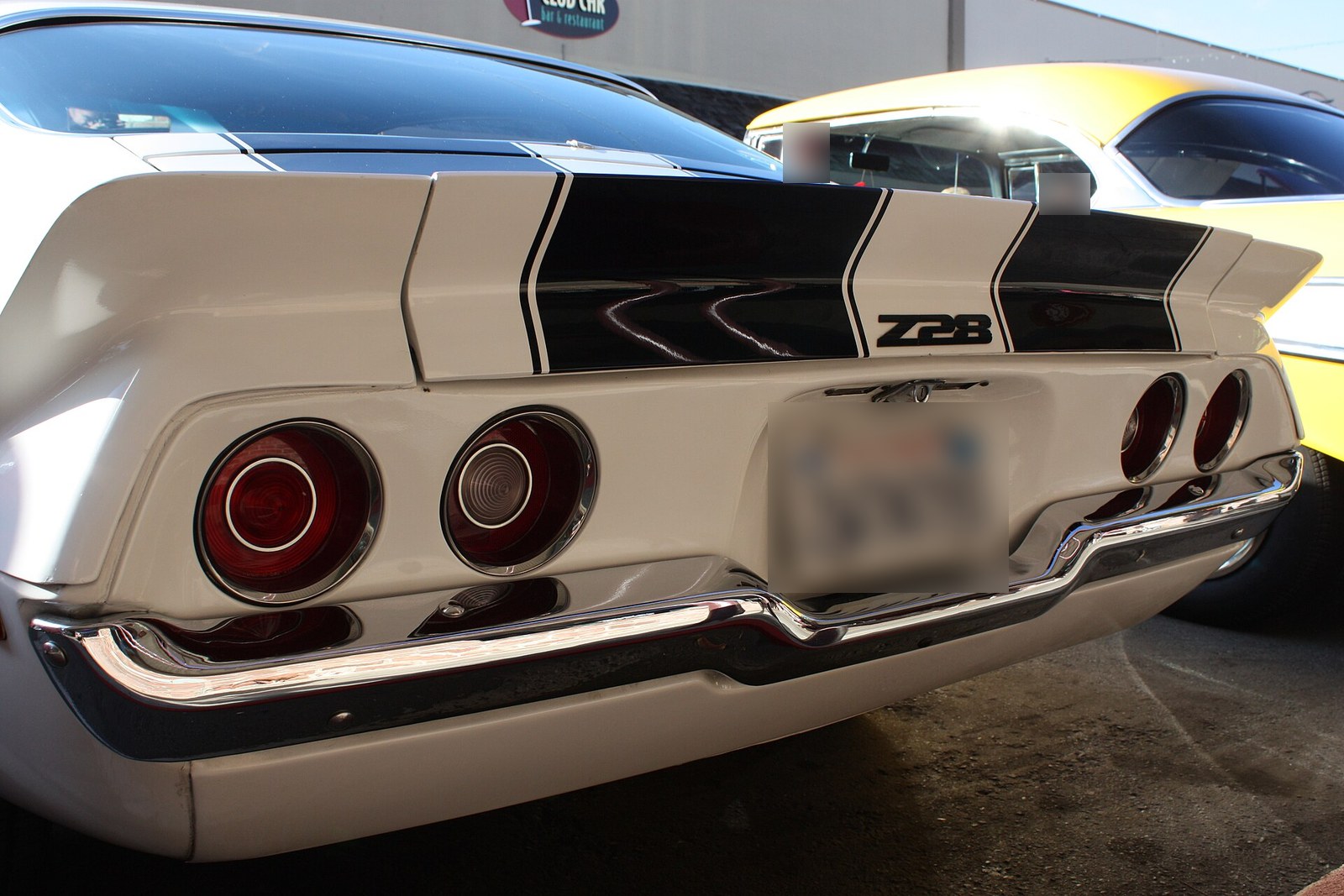
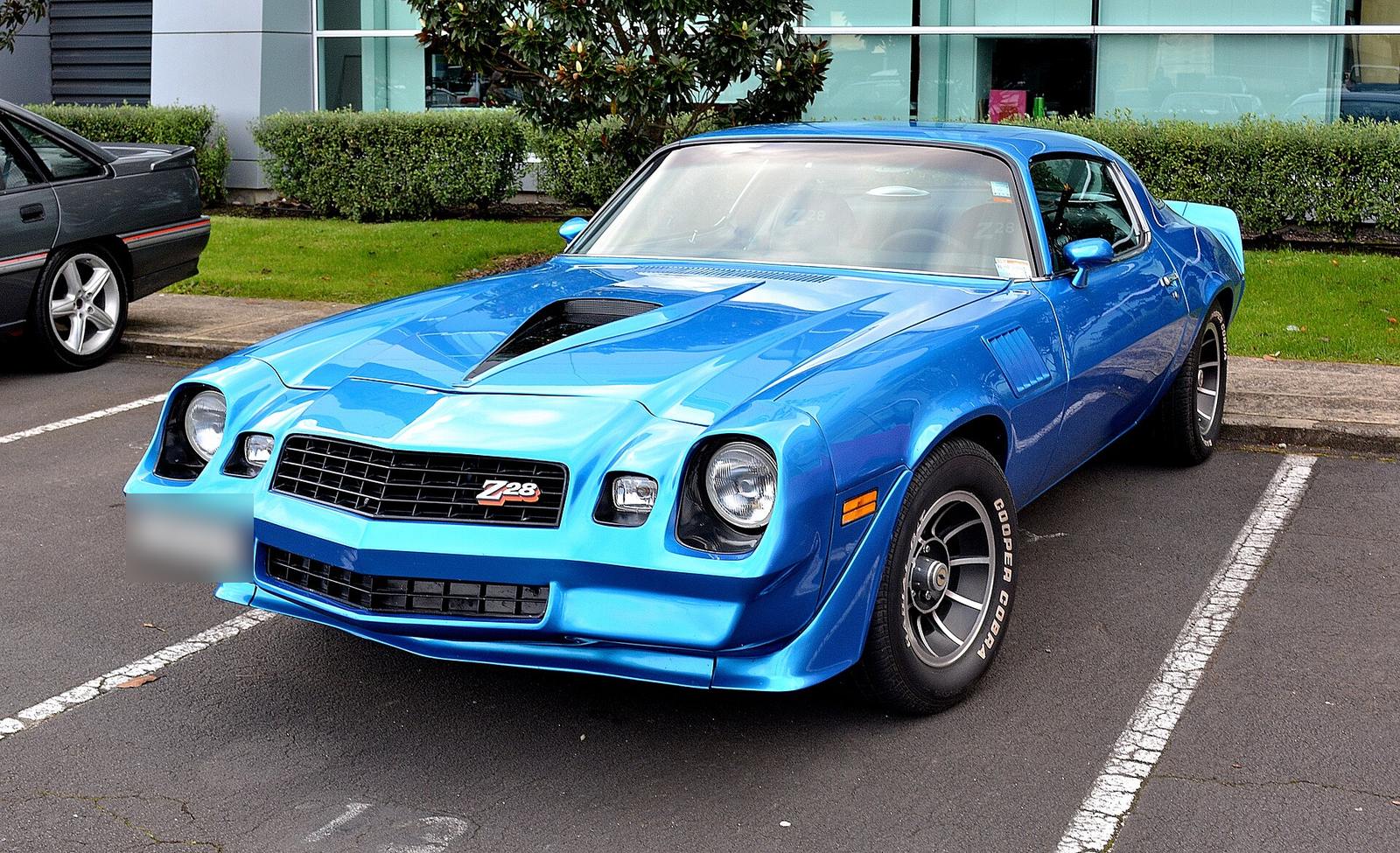
For 1970–71 the Z28 used the LT-1 350, borrowed from the Corvette once Trans-Am's rules let teams de-stroke a larger engine to meet the unchanged 305-cubic-inch limit. The Camaro version was rated at 360 hp gross against the Corvette's 370, a difference put down to the exhaust.
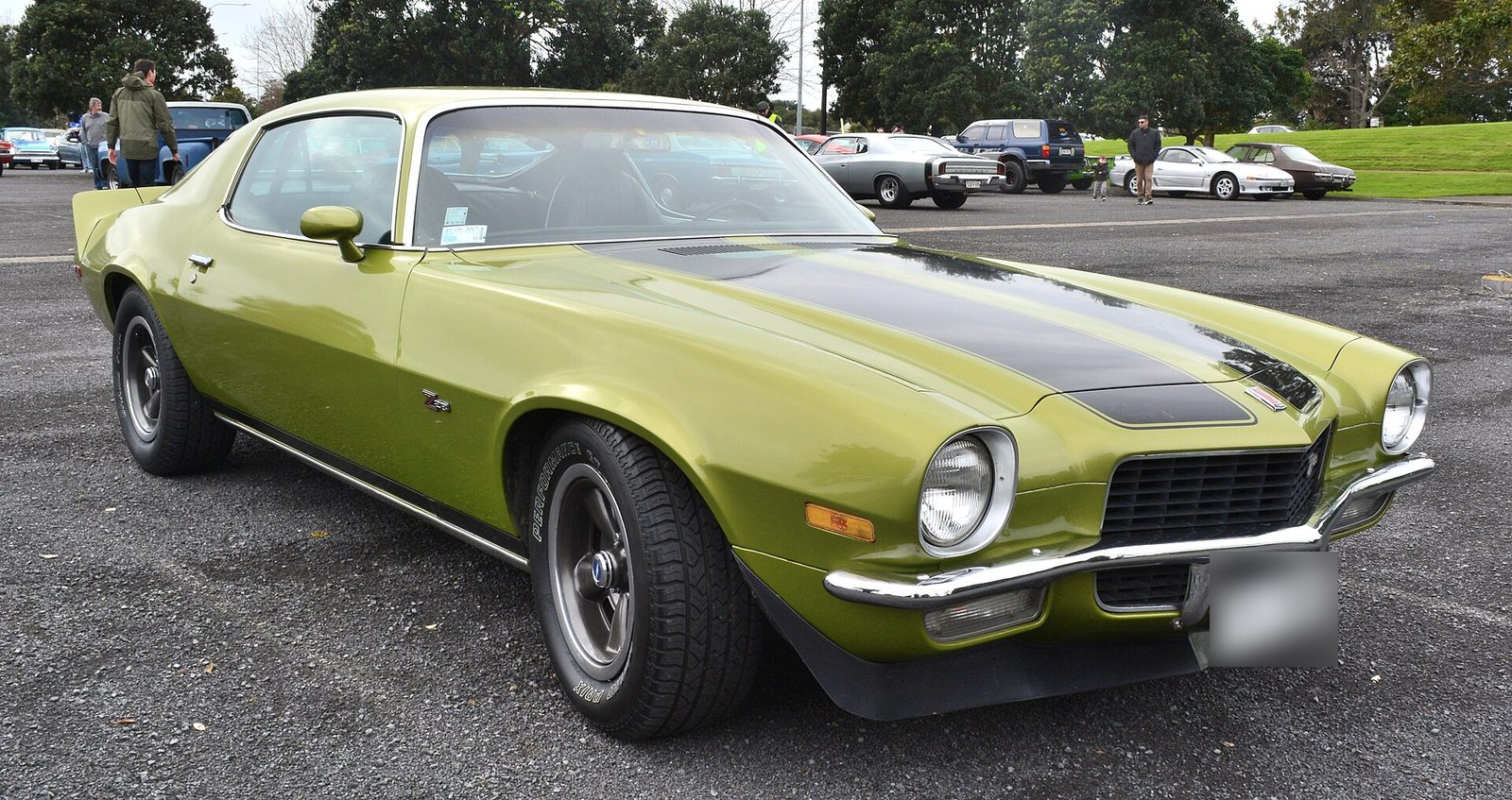
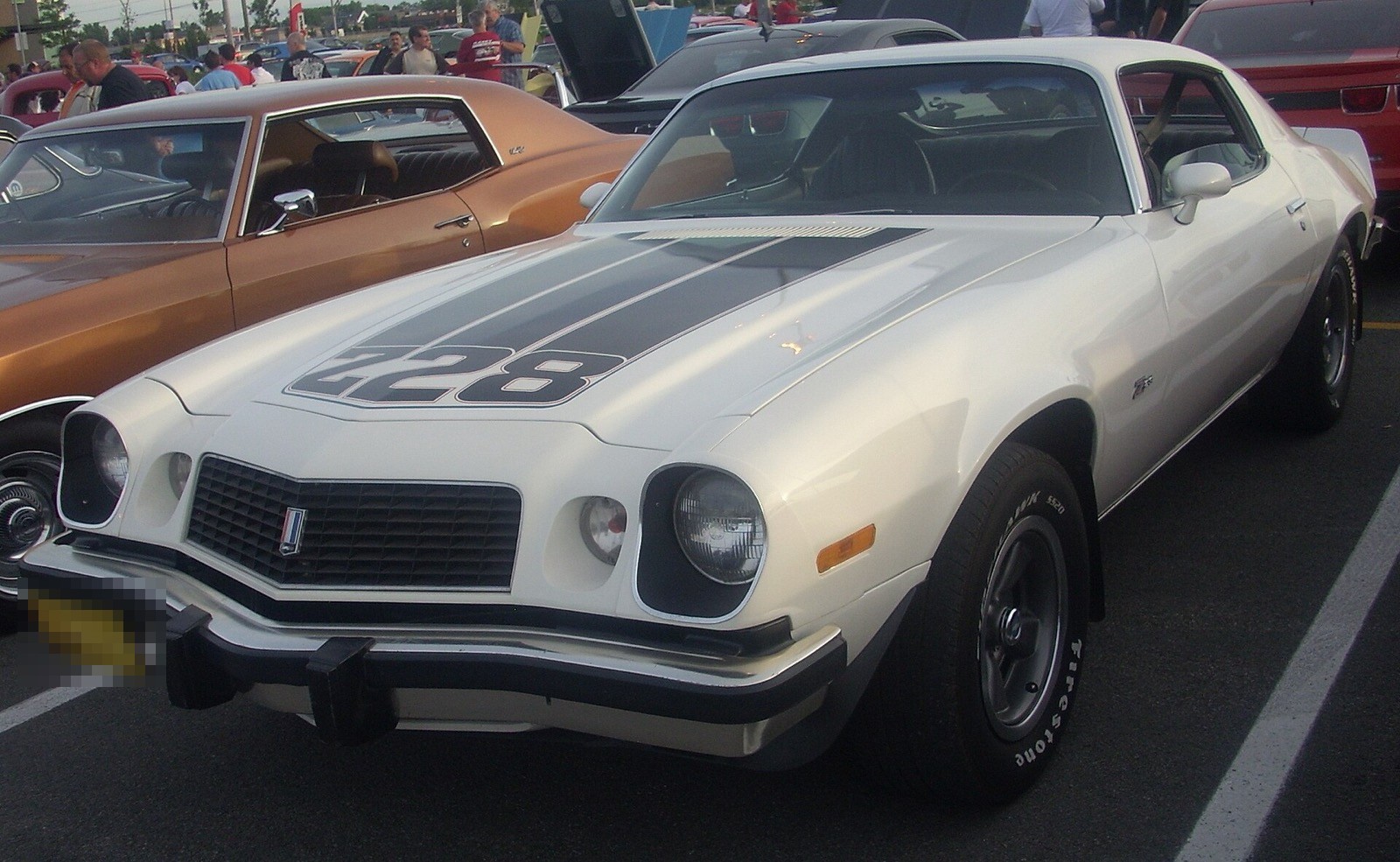
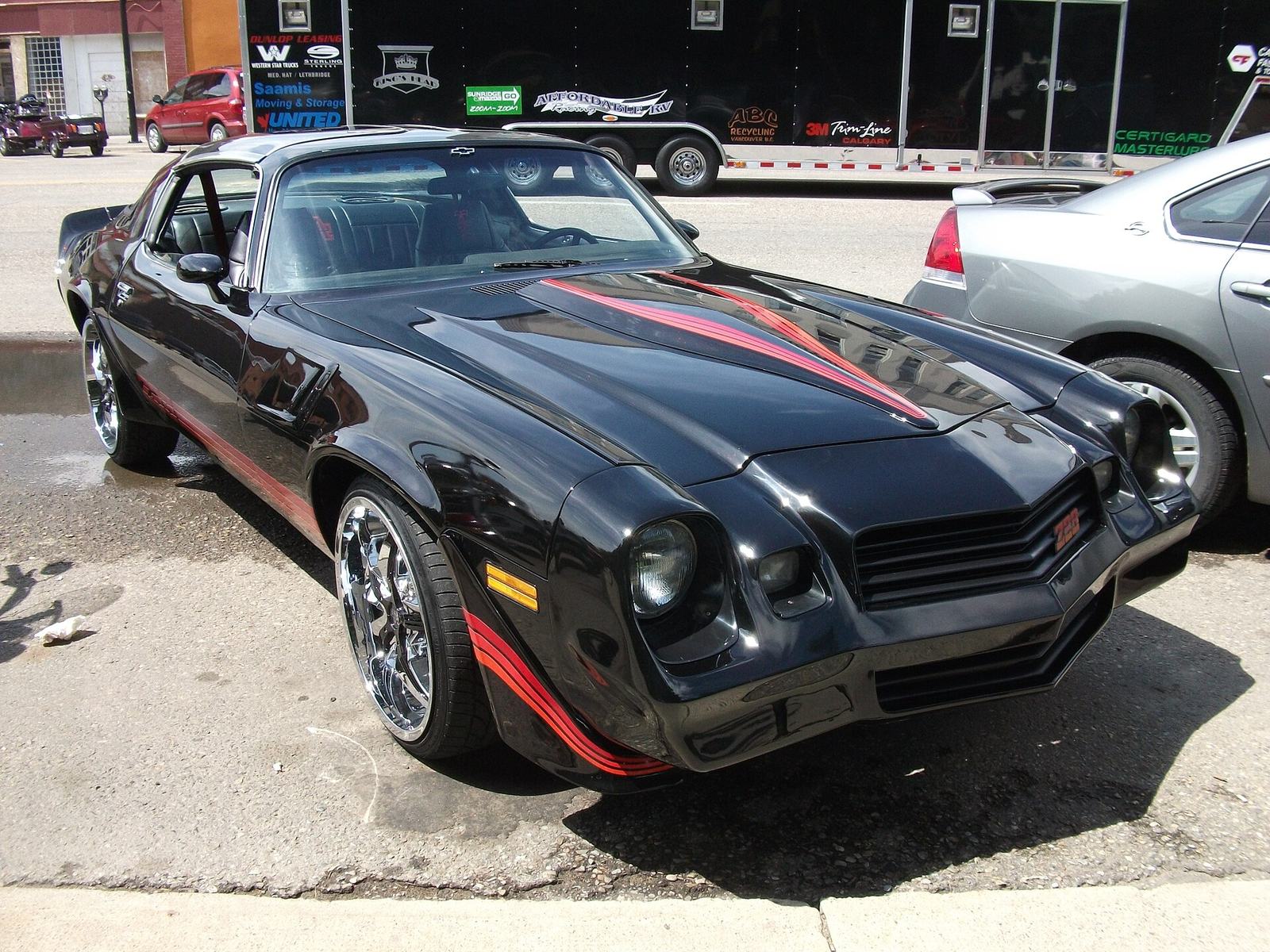
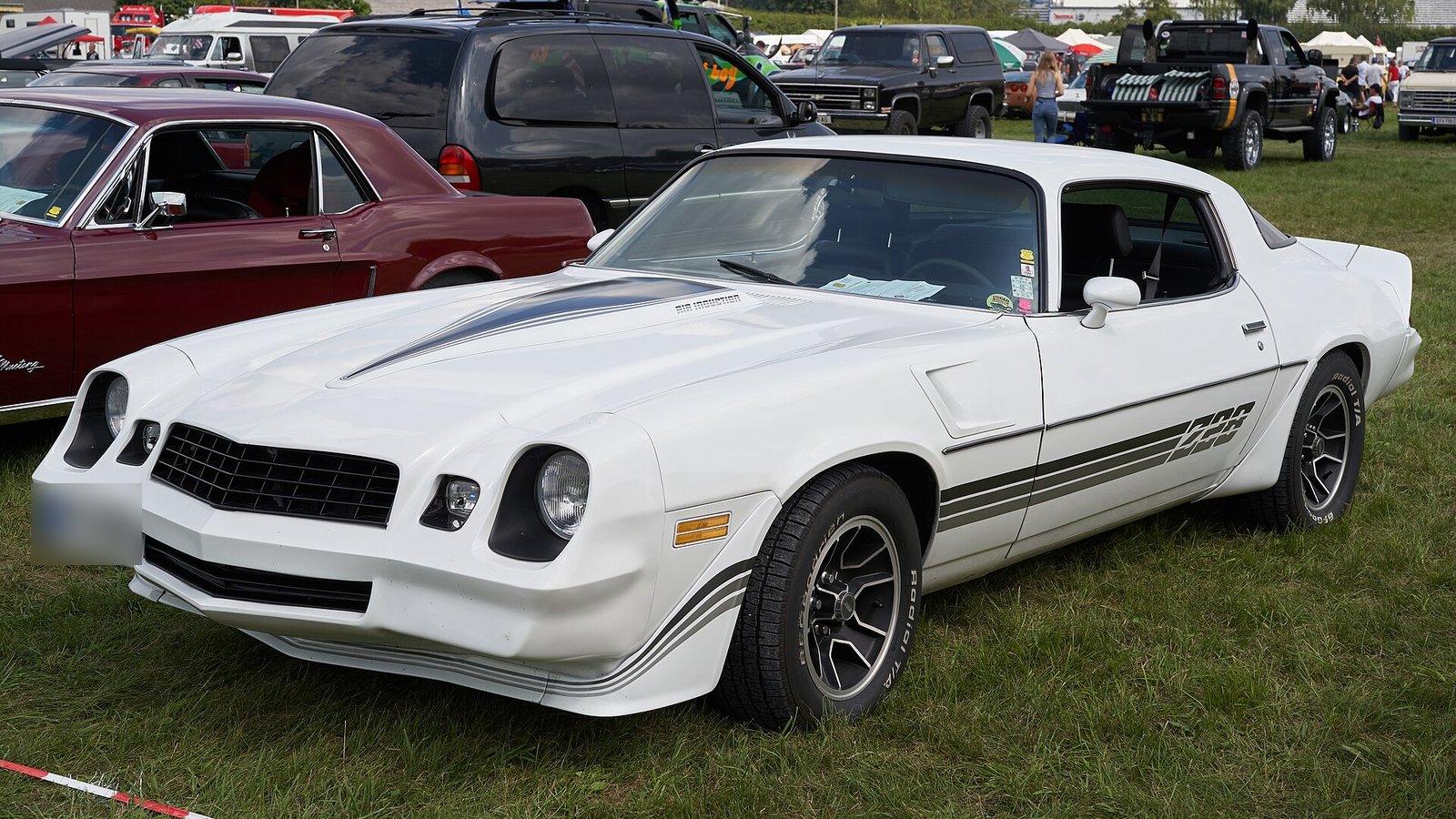
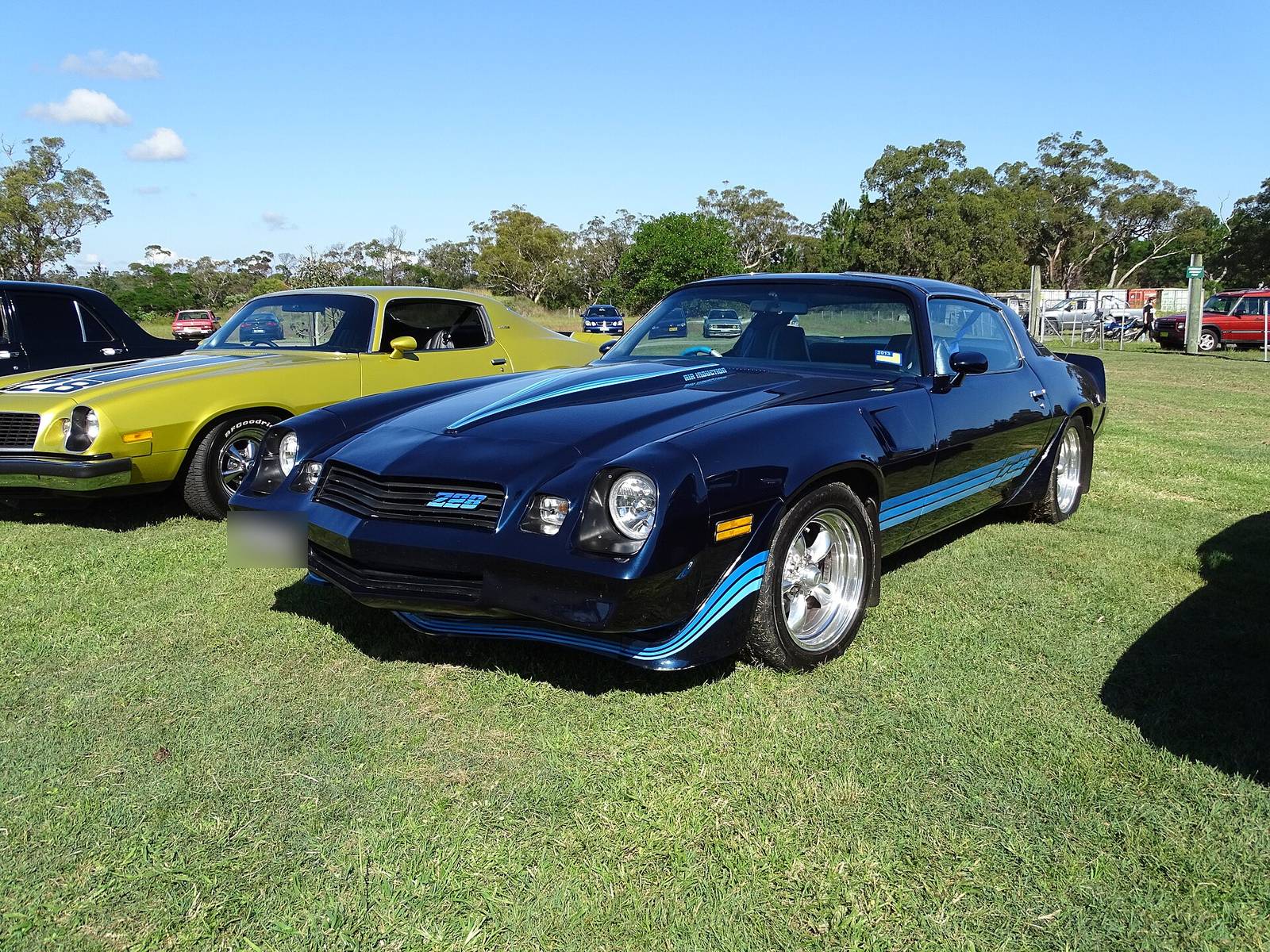
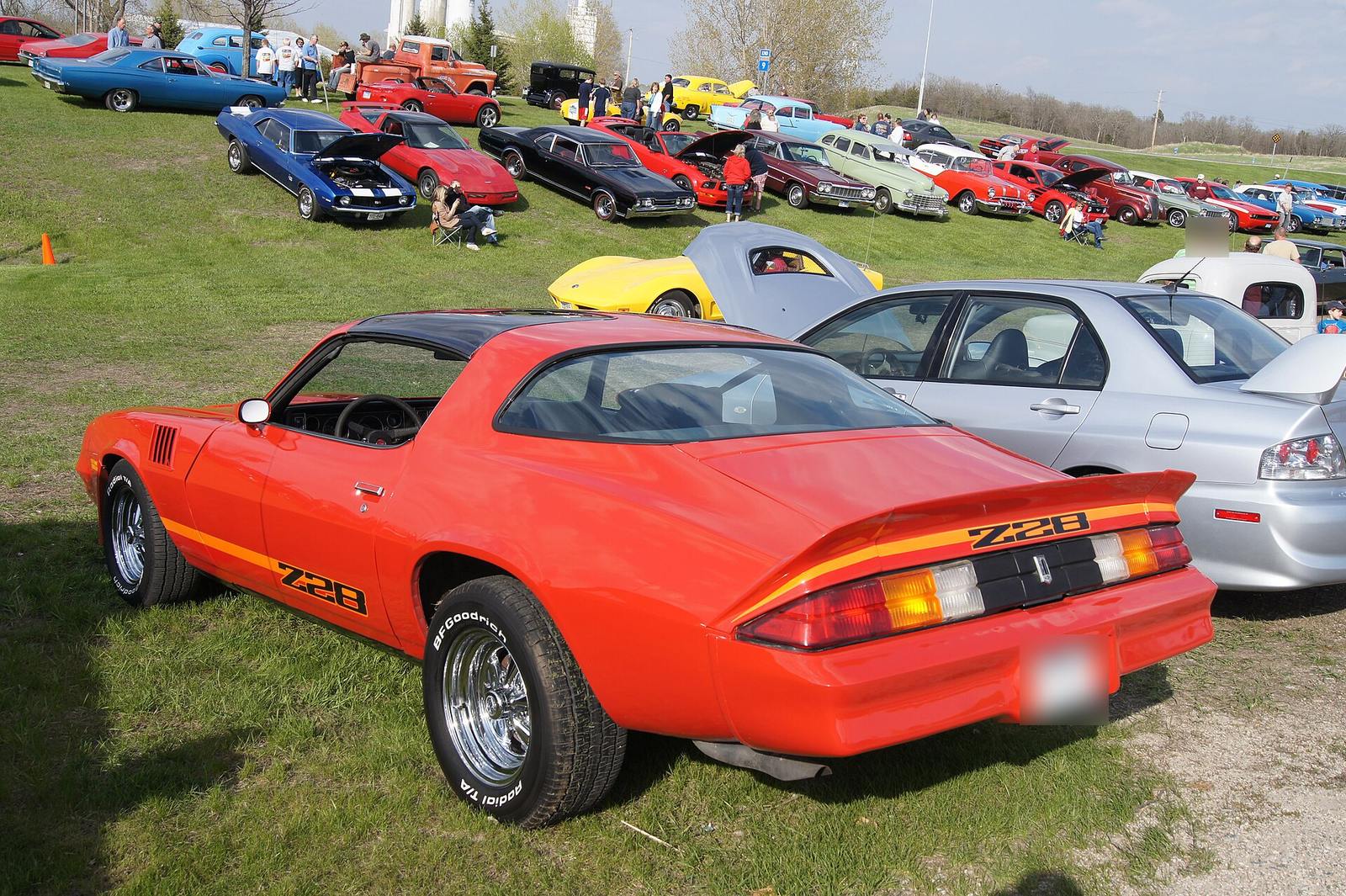
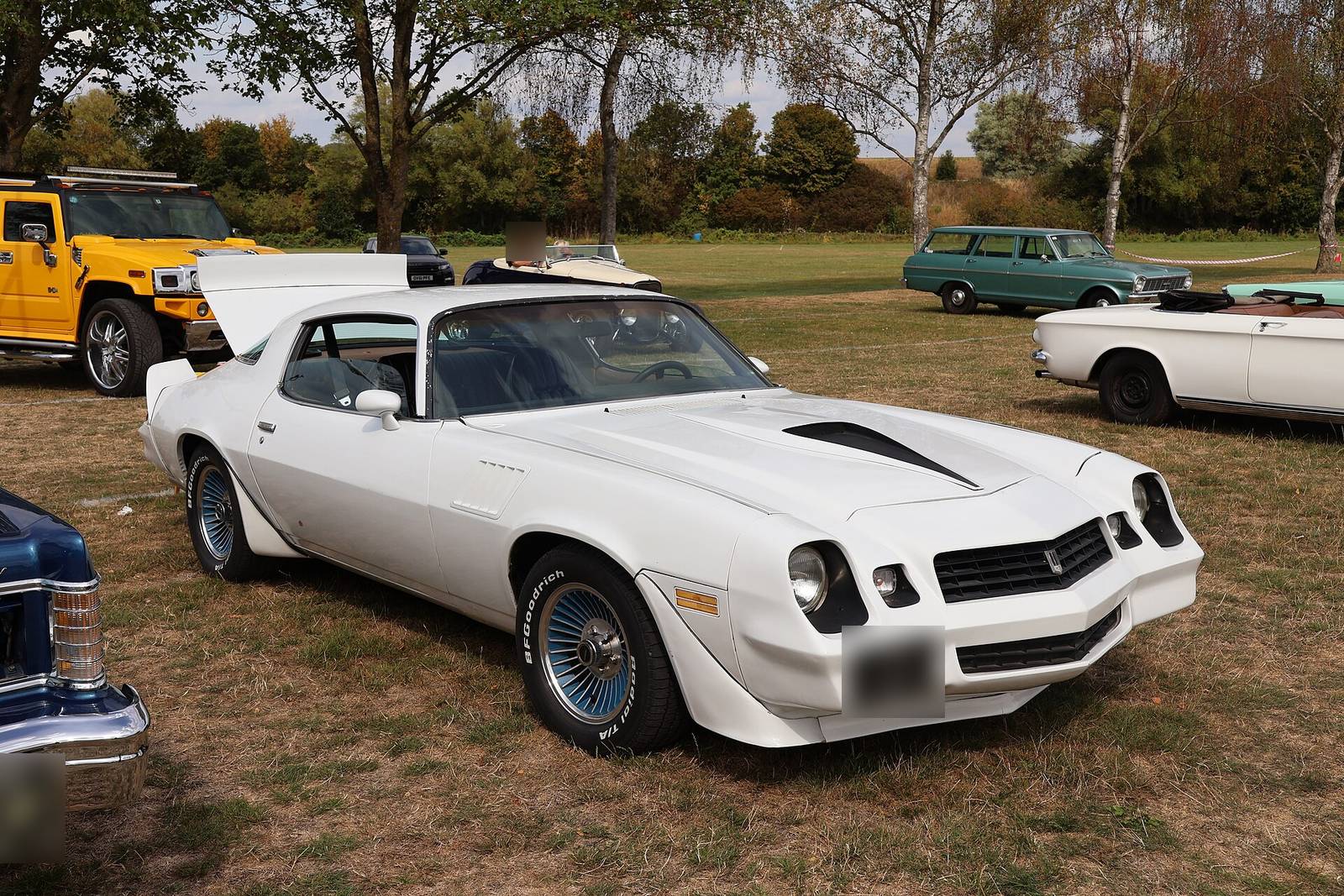
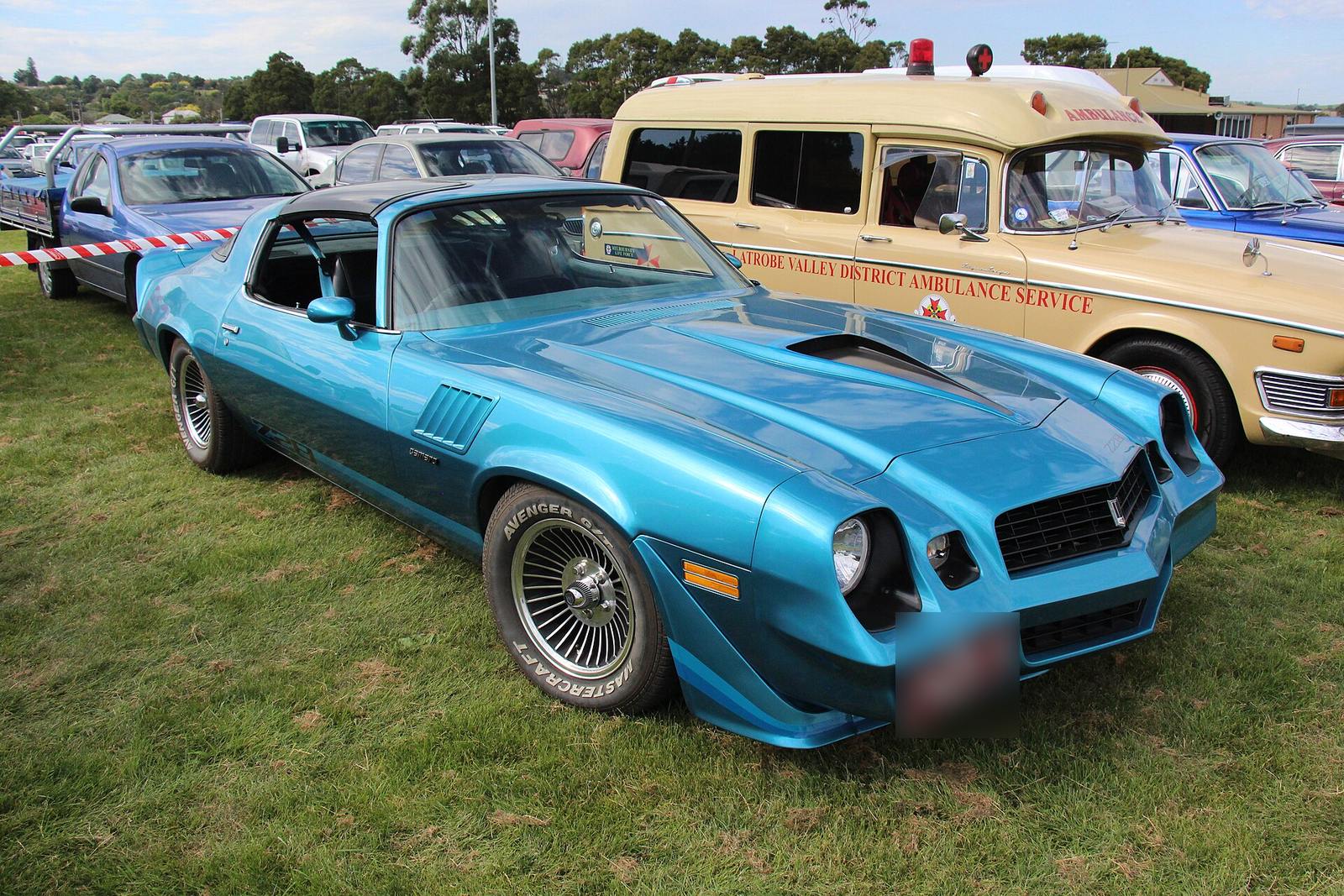
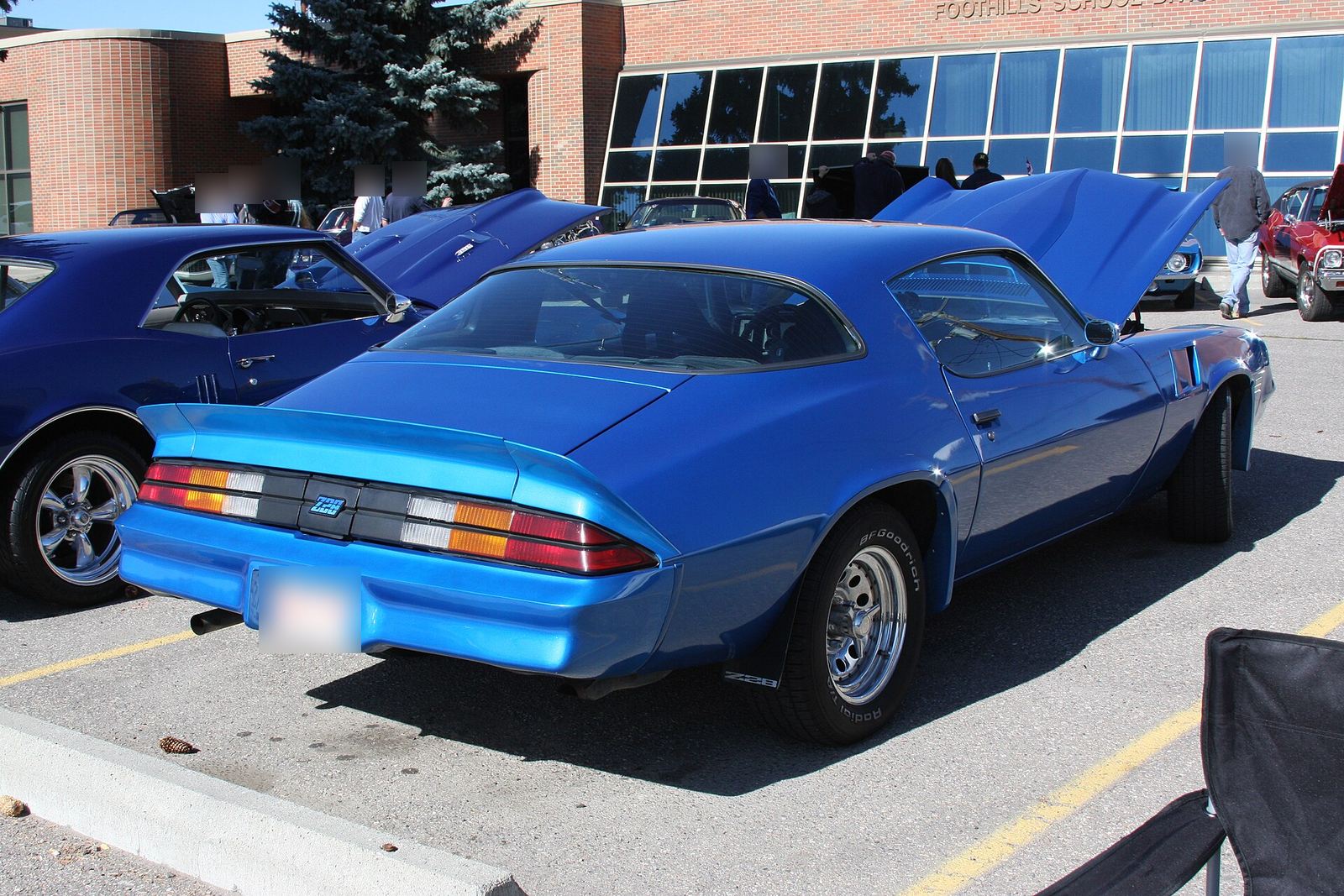
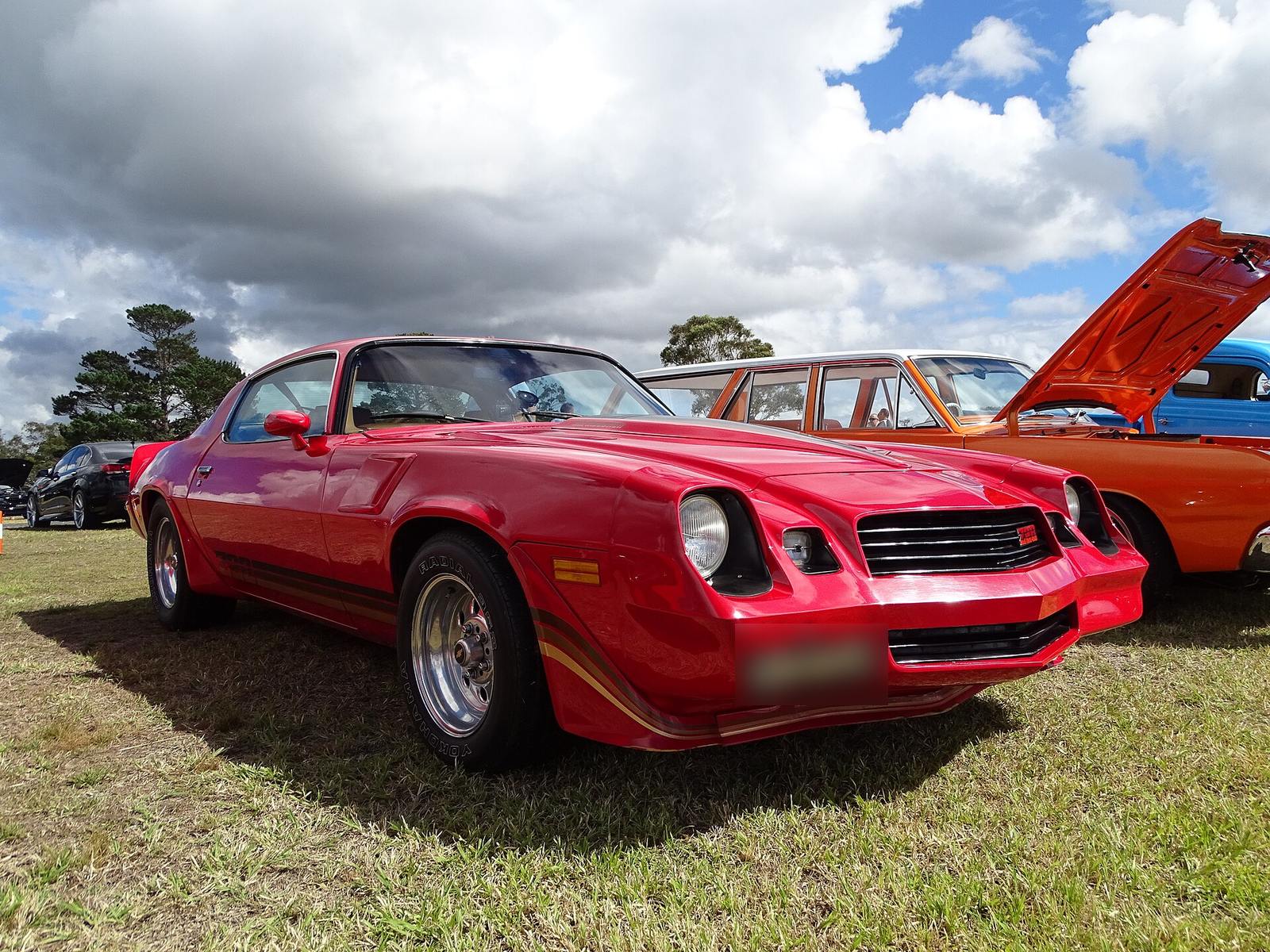
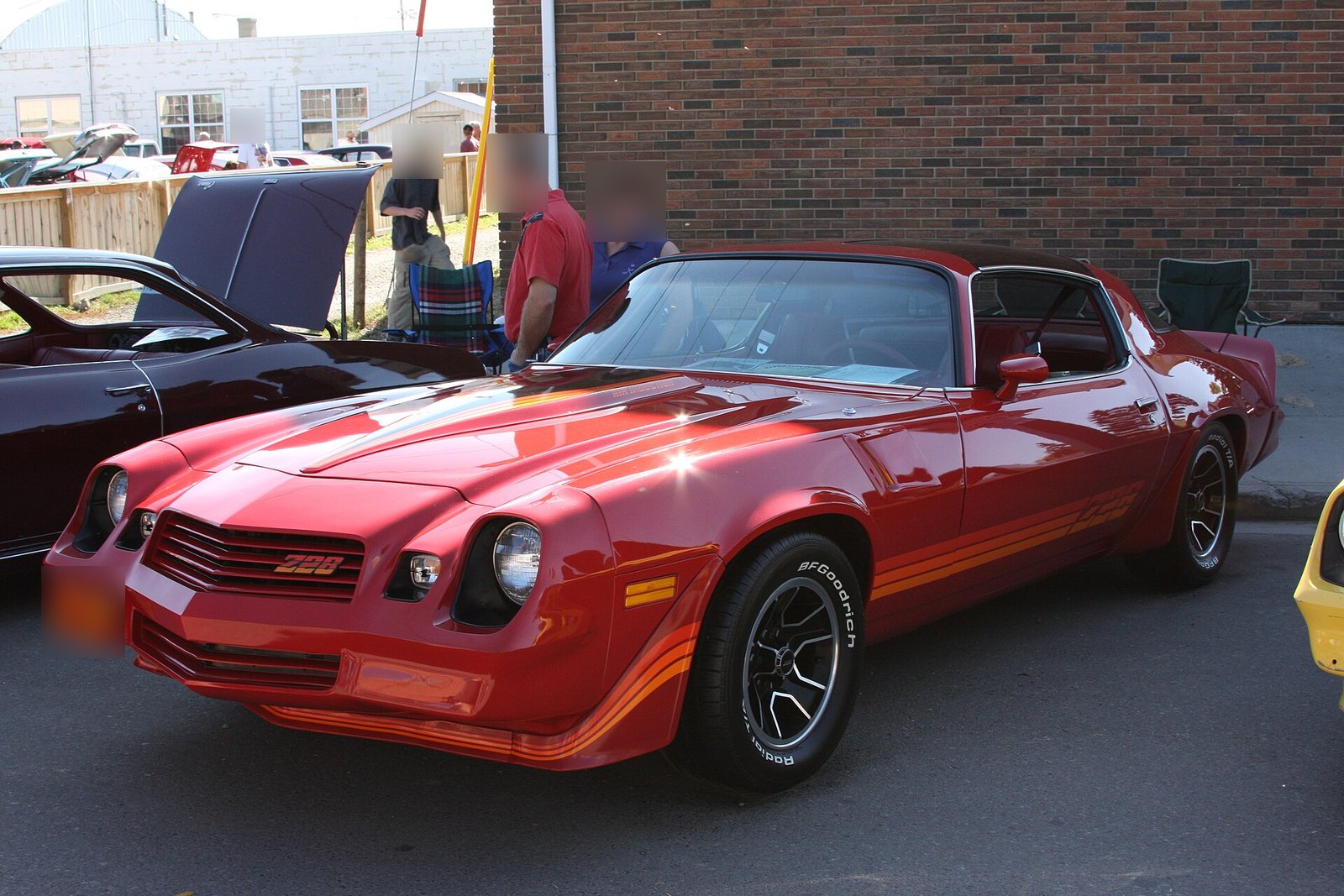
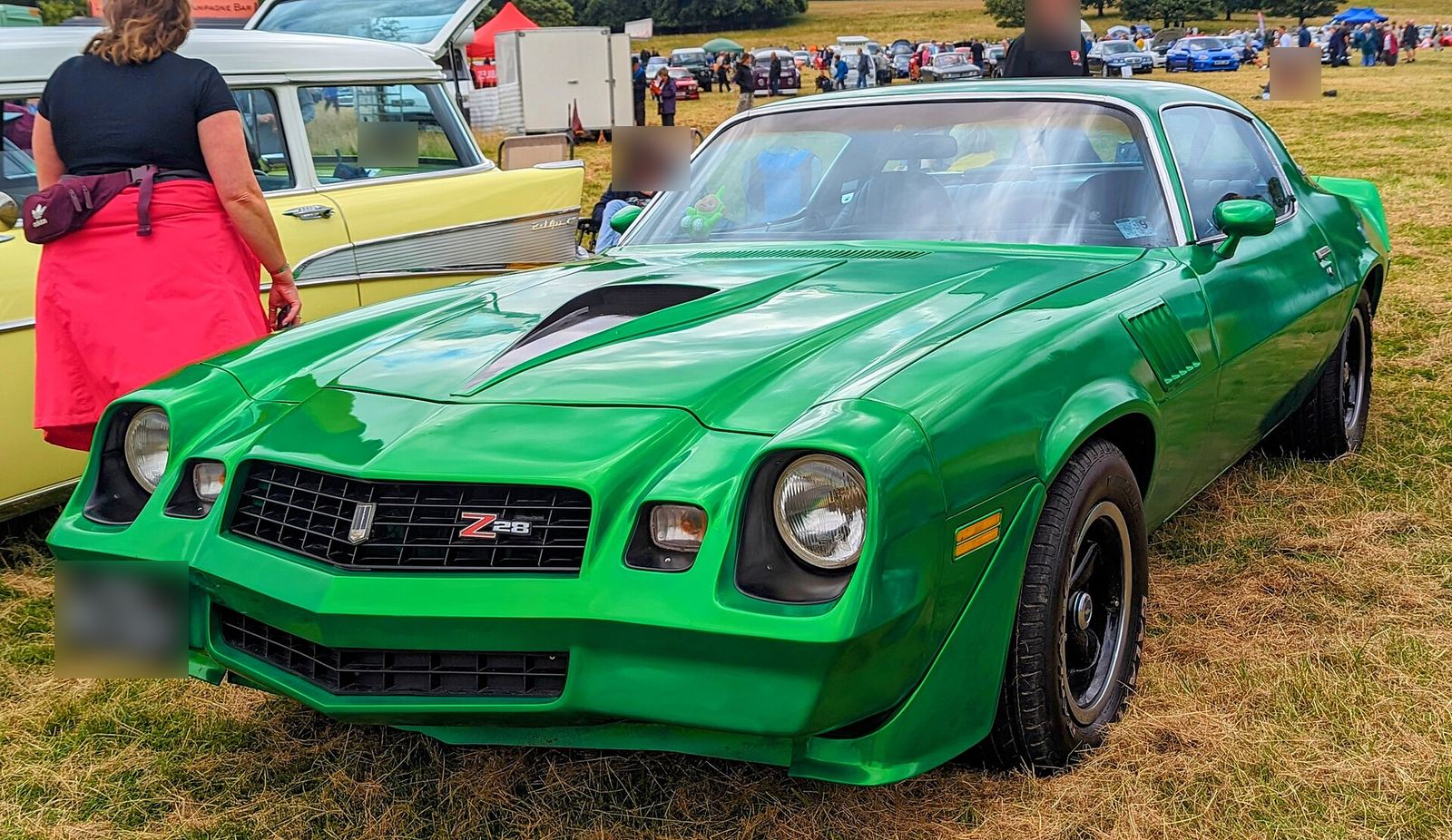
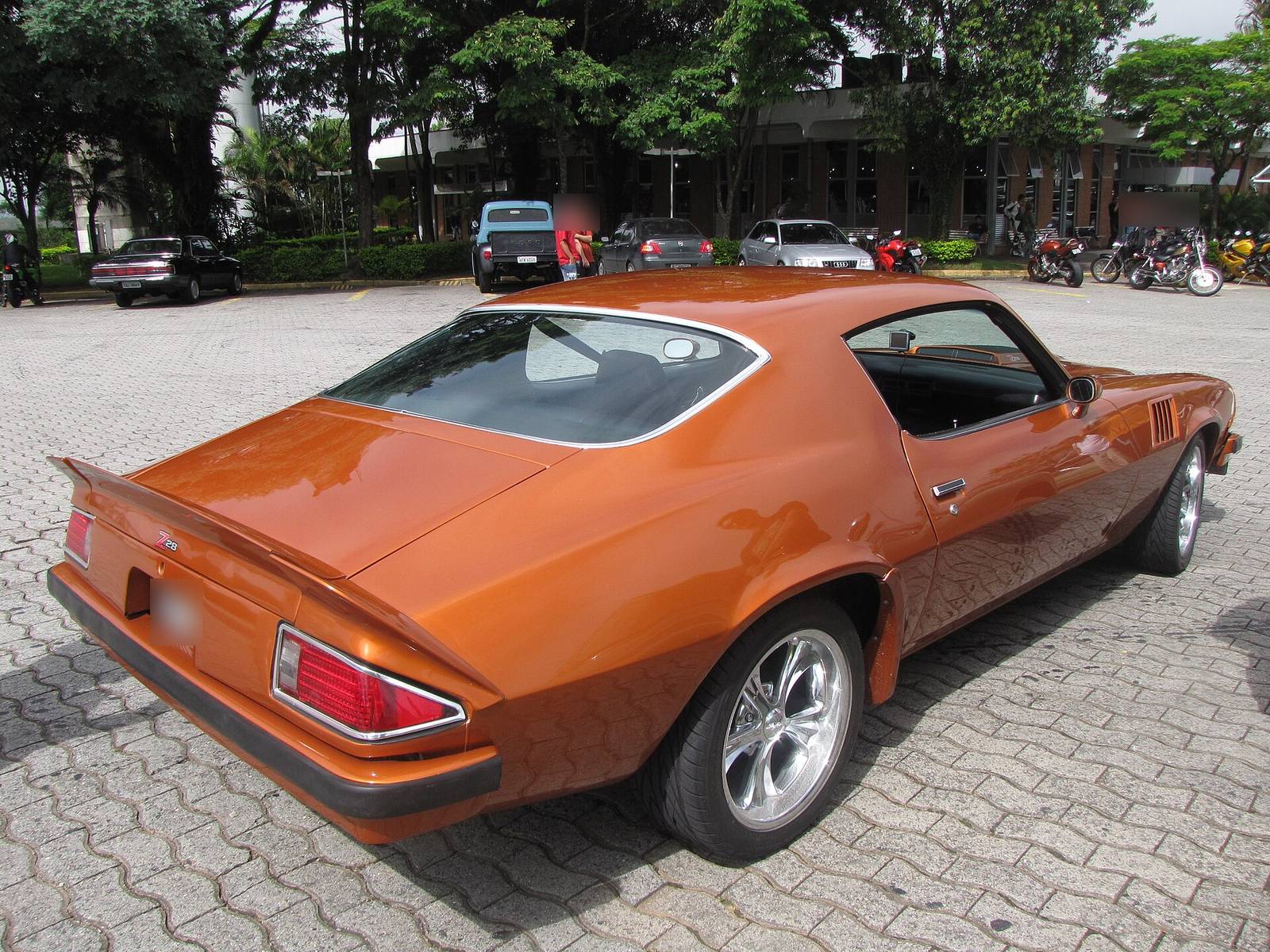
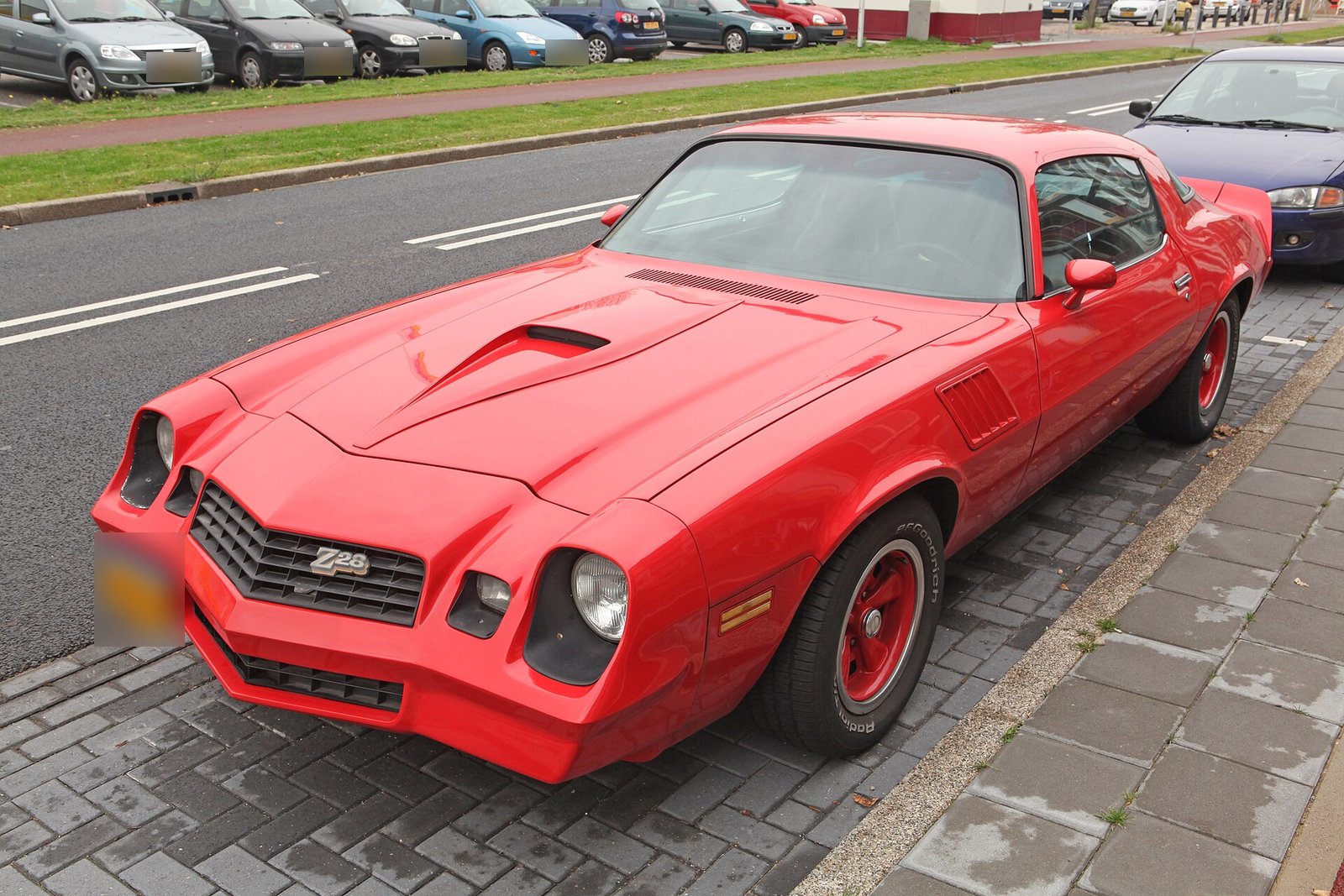
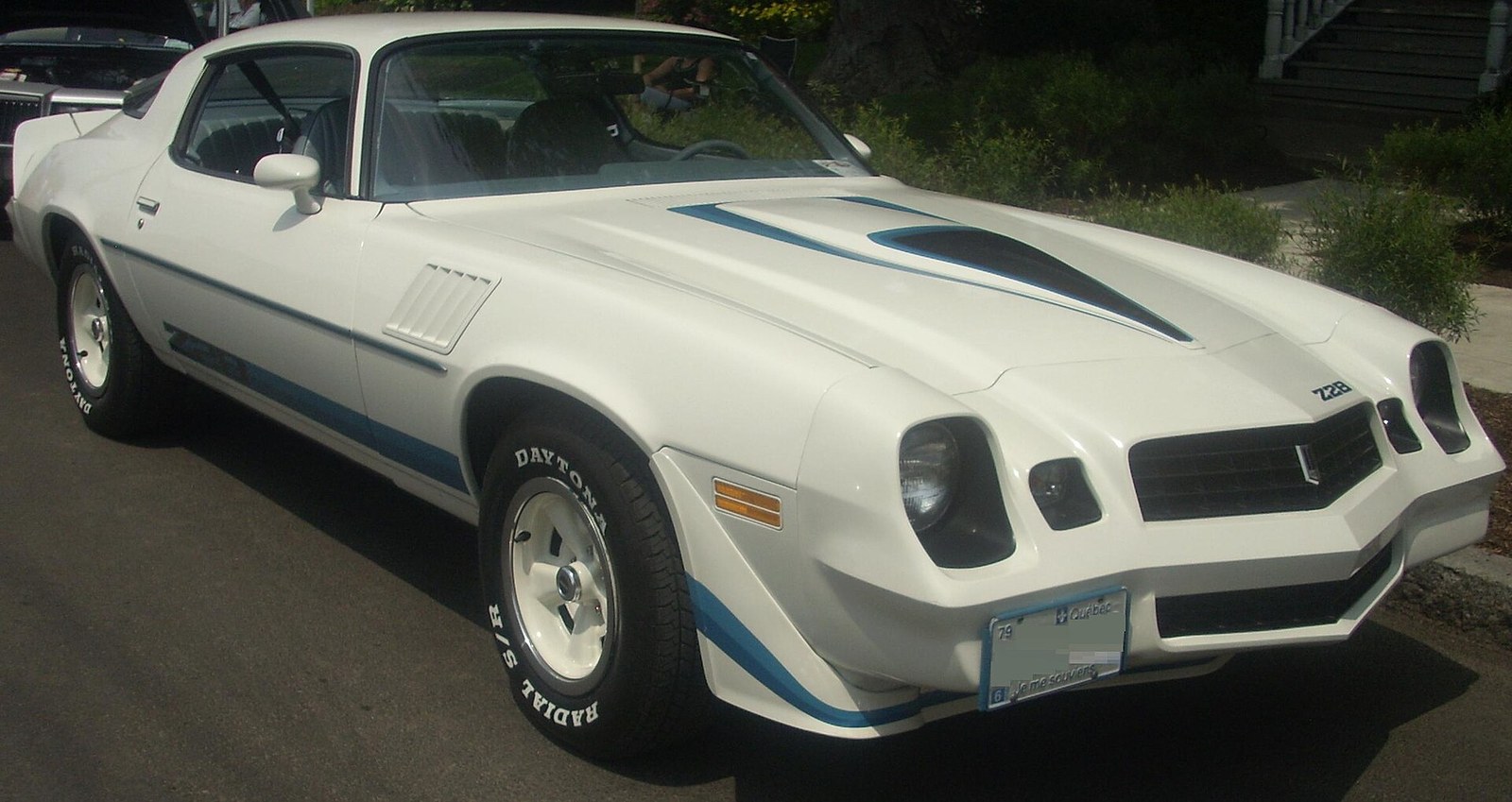
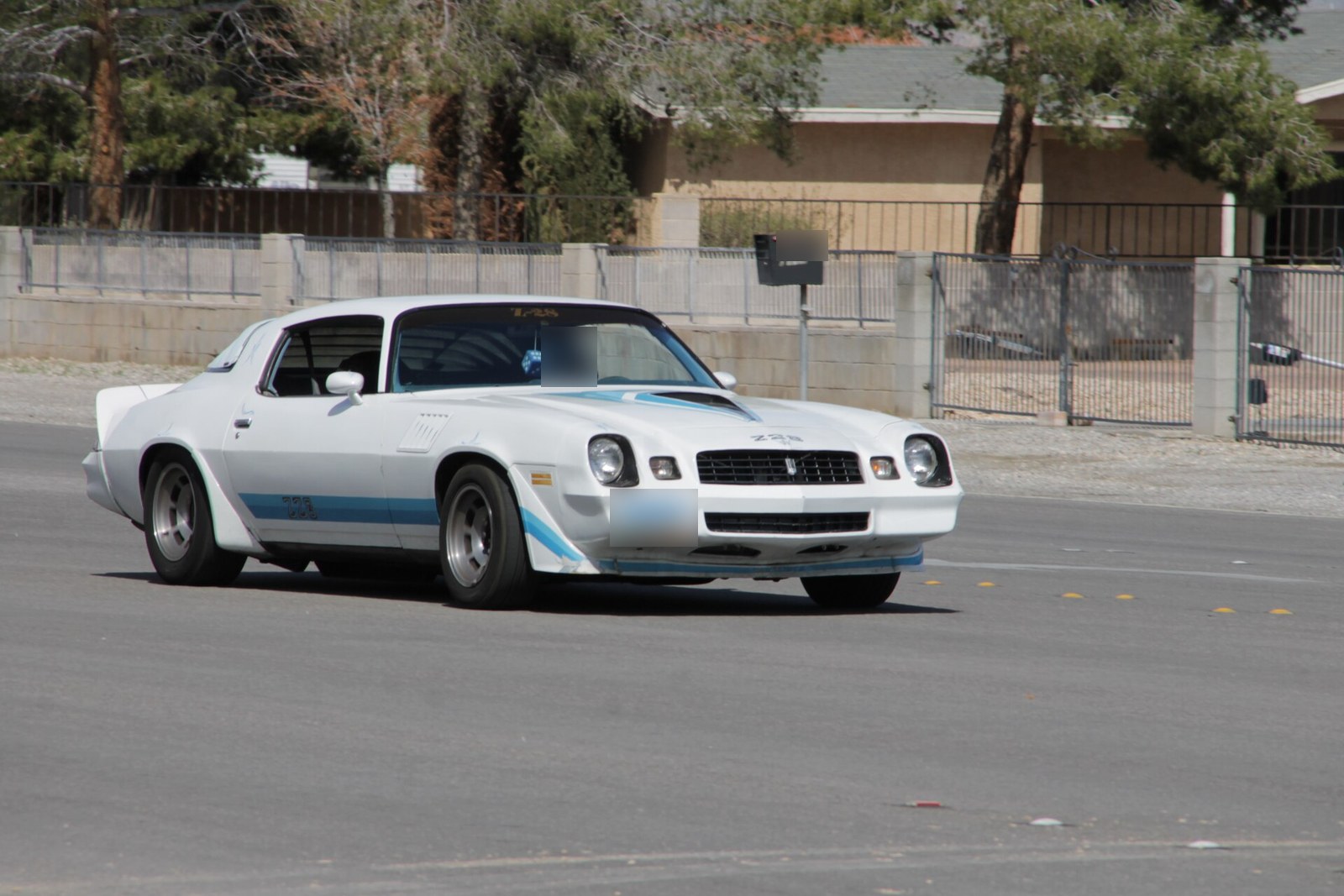
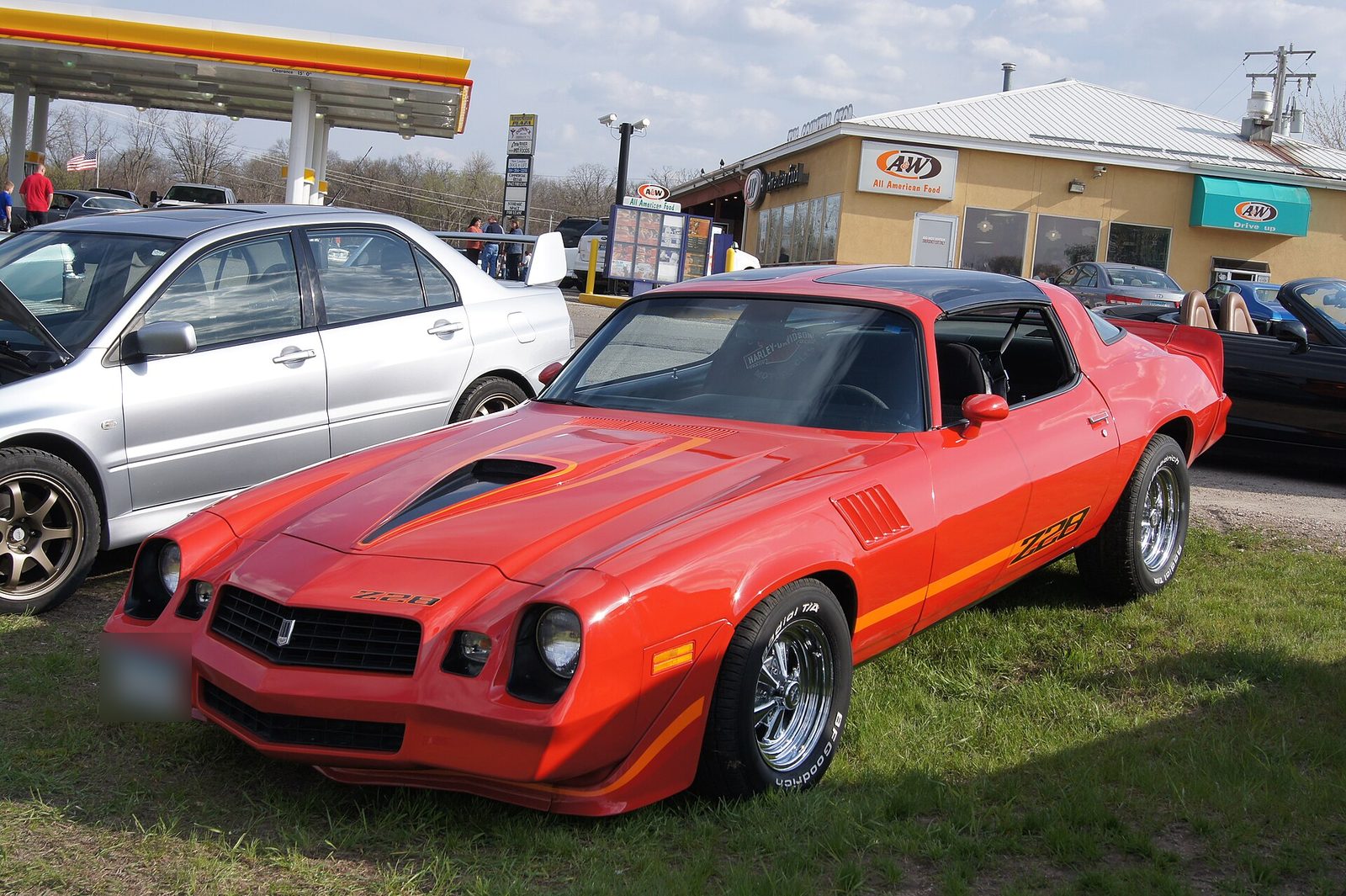
The high-compression, solid-lifter formula couldn't survive unleaded fuel and catalytic converters, and the Z28 was dropped for 1975 and 1976. It came back in the spring of 1977, pushed less by Camaro demand than by Pontiac. The Firebird Trans Am sold more than 46,000 cars in 1976, about 42 percent of all Firebirds, and Chevrolet had nothing to answer it. The reborn Z28 sold 14,349 in its short first season, and the Camaro outsold the Mustang for the first time.
A battered mid-1970s Camaro later became Bumblebee's "before" form in the 2007 Transformers film; that story is on the fifth-generation page.
How the Horsepower Fell
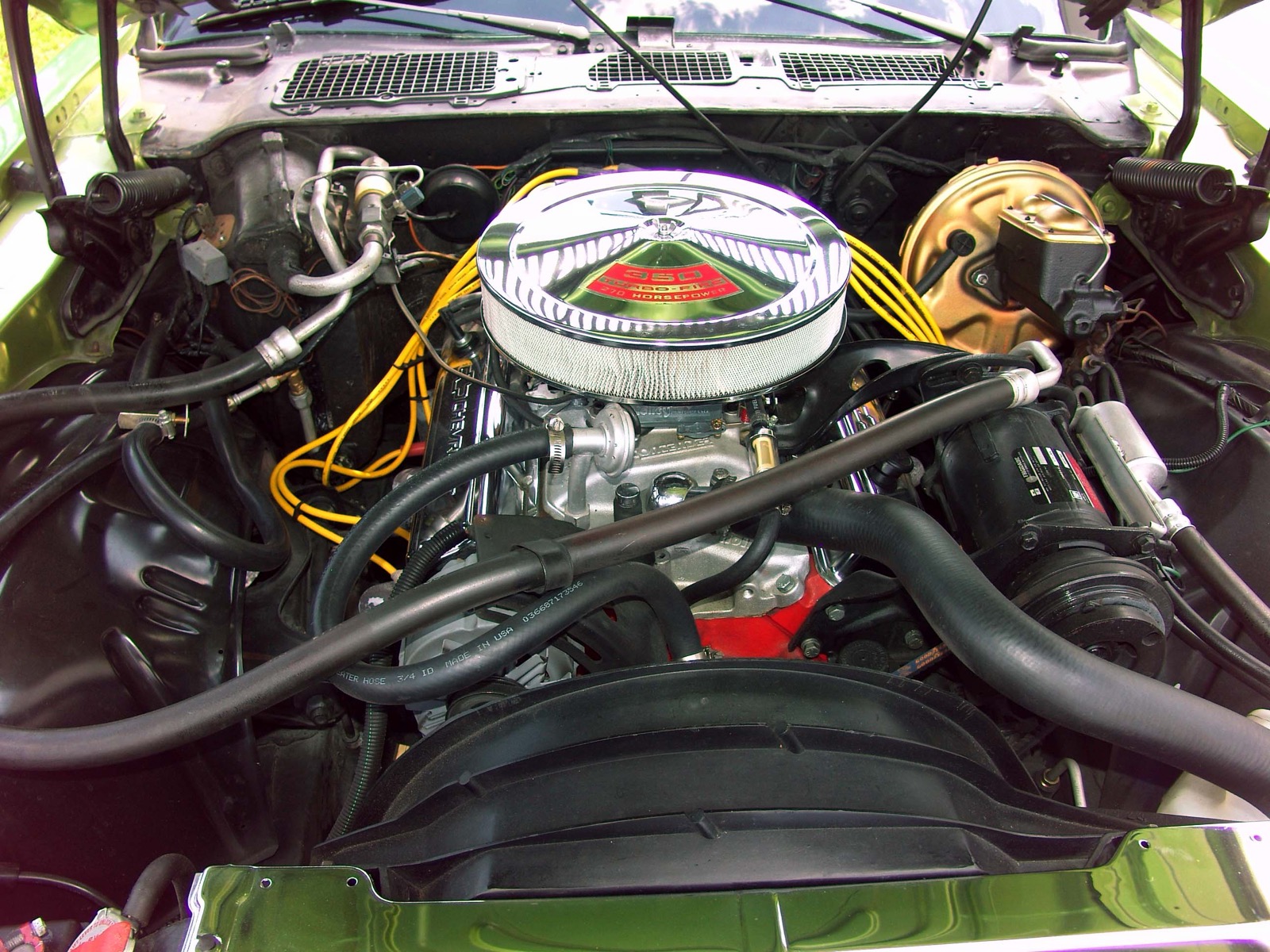
The Z28's LT-1 shows how the muscle era ended on paper. Chevrolet's February 1970 table gives 11.0:1 compression and 360 hp gross. For 1971 compression dropped to 9.0:1 for unleaded fuel; the revised January sheet prints both 330 hp gross and 275 hp net at 5,600 rpm. The 1972 sheet gives 255 hp net at 5,600 rpm. The same-basis published change from 275 net to 255 net is 20 hp; subtracting 255 net from 330 gross mixes methods. These factory ratings do not measure a particular surviving car's output.
1971 Z28: one engine, two rating bases
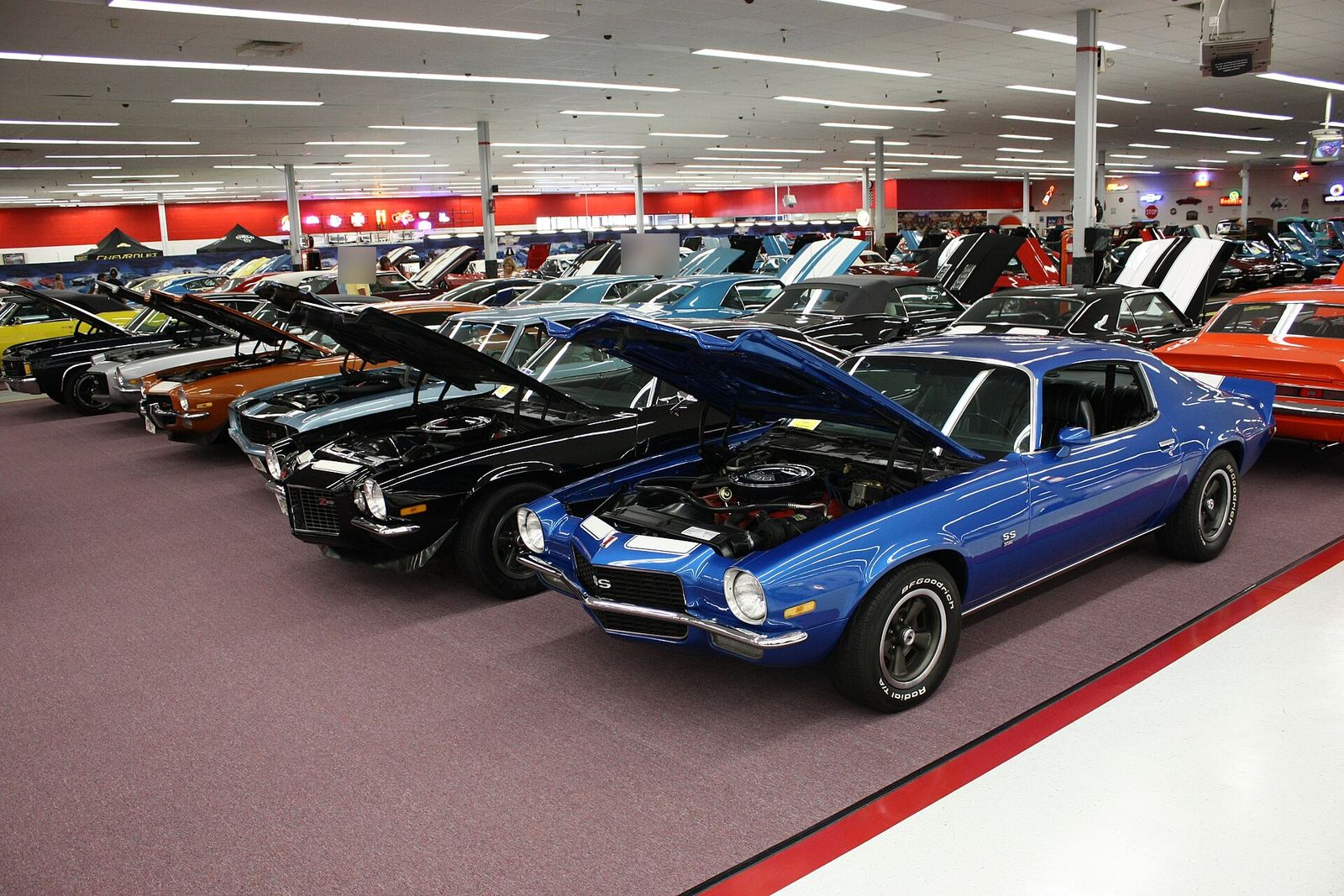
The SS big block was badged 396 but displaced 402 cubic inches from 1970, as the factory tables show. The familiar "nobody would buy an SS402" explanation is not established as Chevrolet's motive by the sheets. It went from 350 hp gross in 1970 to 300 gross and 260 net in 1971. 1972 was the last year of the SS 396 and of any factory big-block Camaro. The reprinted White Book's table gives 970, while its own narrative says 930; the 1972 page retains that disagreement rather than treating either as a traced factory production count.
Split Bumpers and Big Bumpers
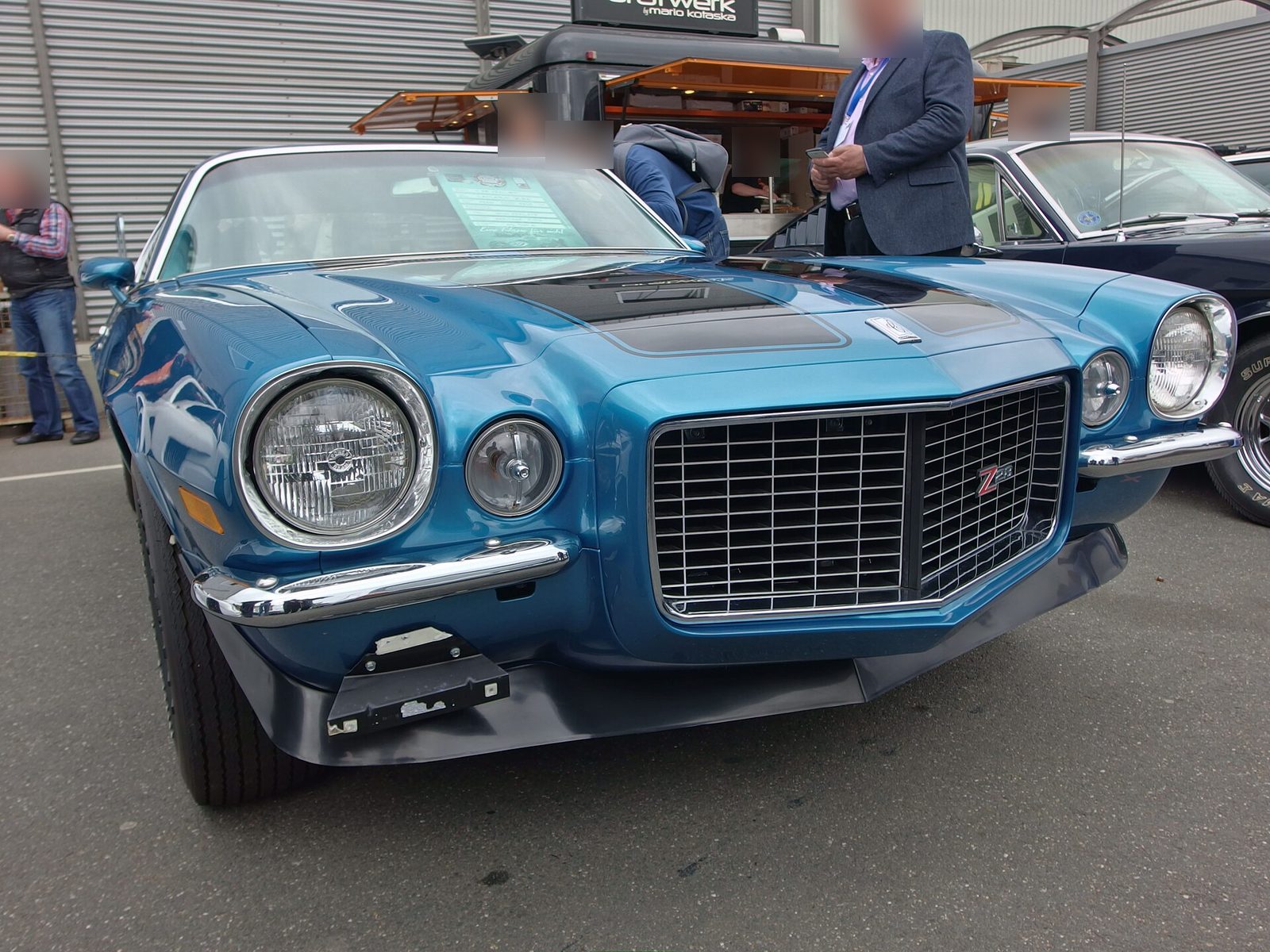
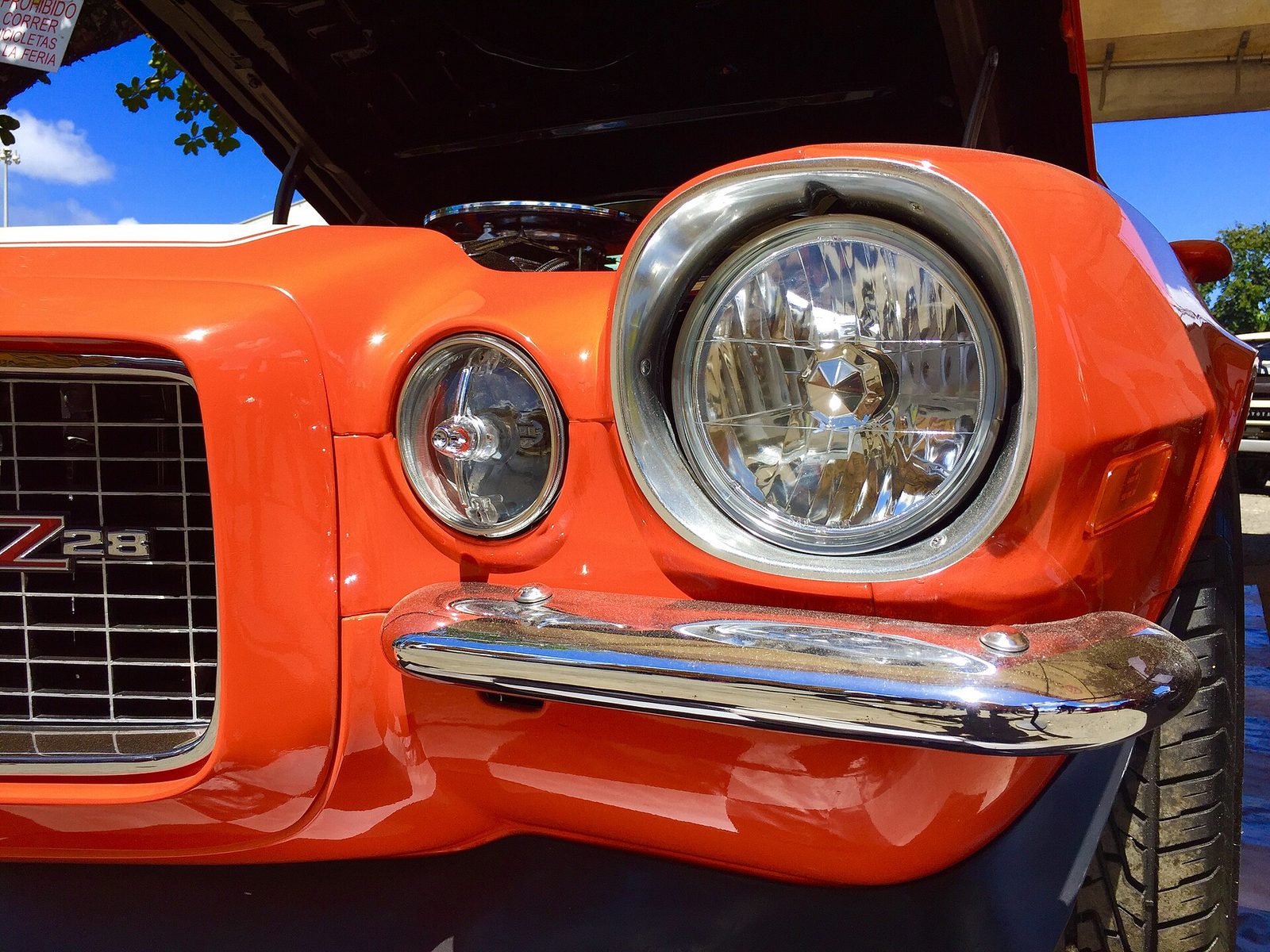
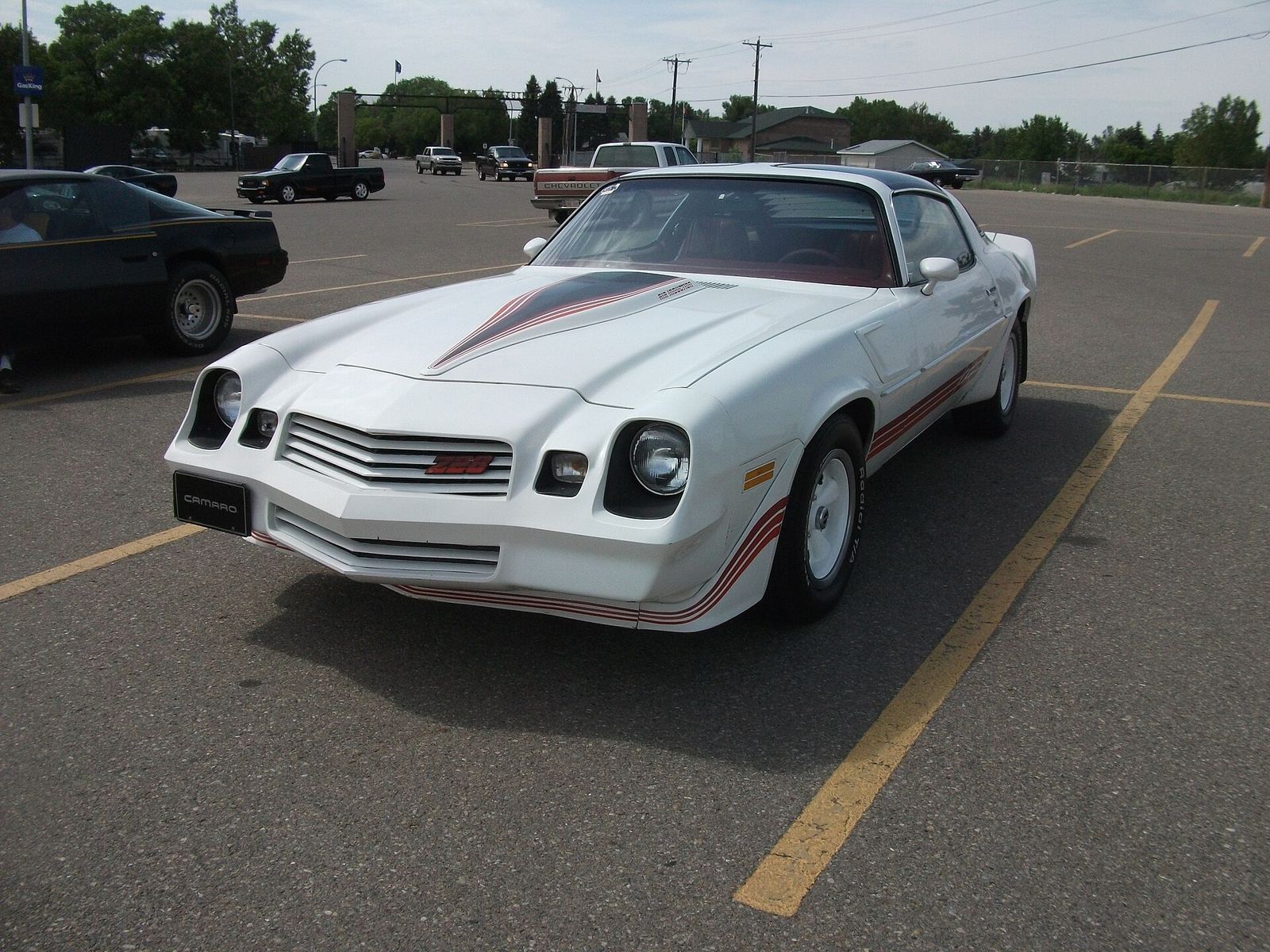
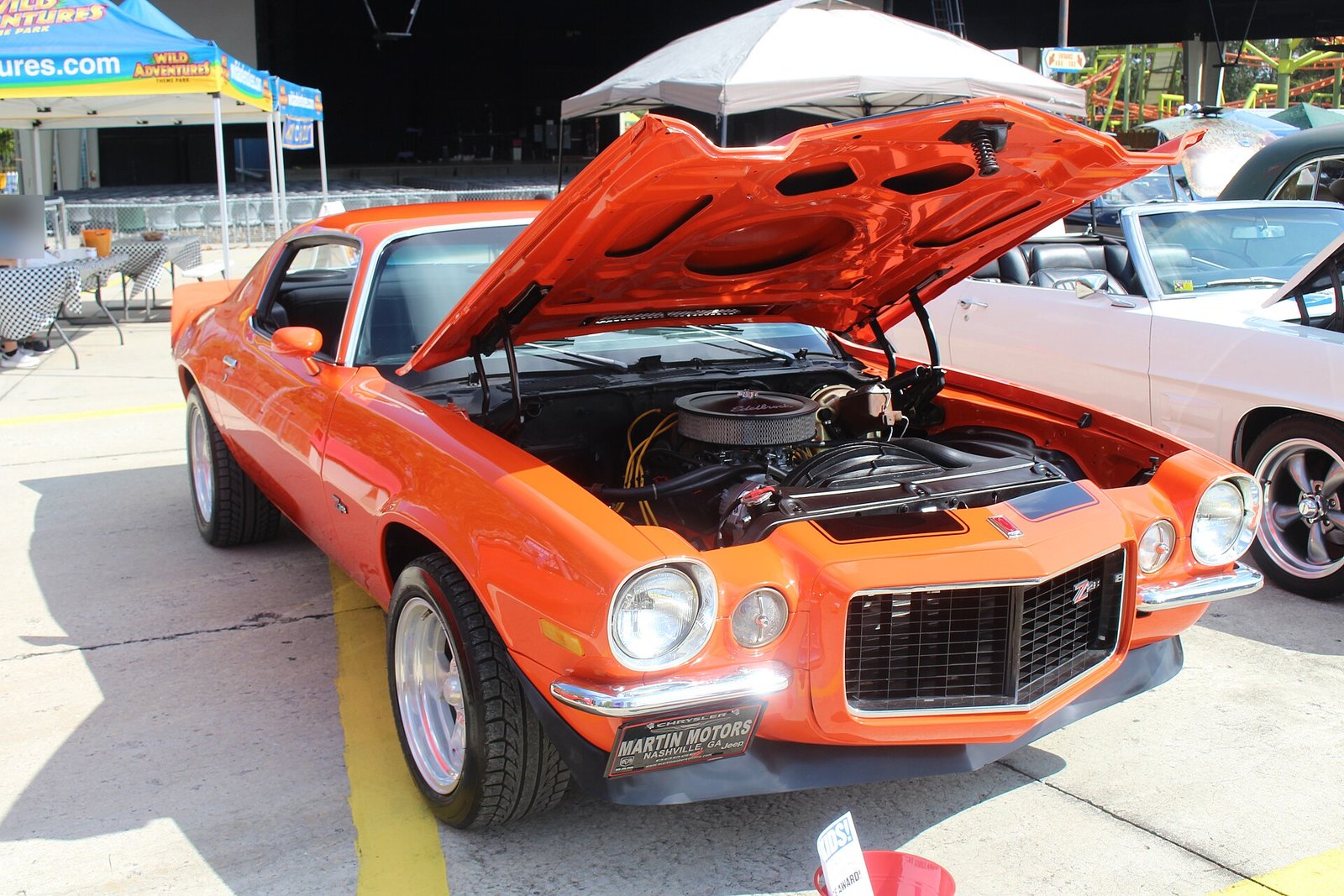
The most collectible second-generation look is the split bumper. It came only with the Rally Sport package and only from 1970 to 1973: a body-color Endura surround, two small chrome bumperettes in place of a full-width bumper, and round parking lamps above them. RS could be combined with SS or Z28. Only a 1970 car has a fender emblem reading "Camaro by Chevrolet," and 1972–73 grilles have fewer, larger openings than 1970–71.
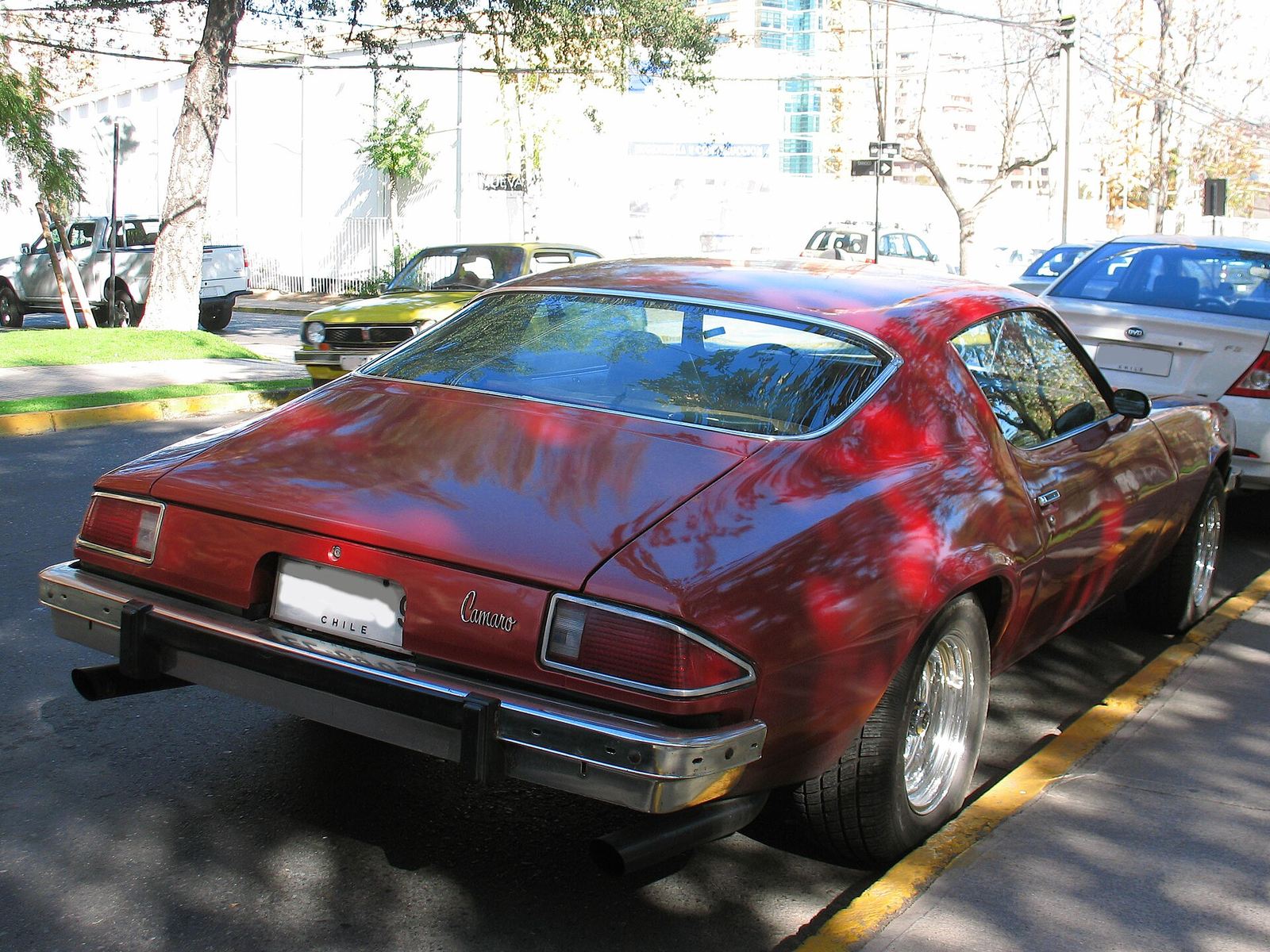
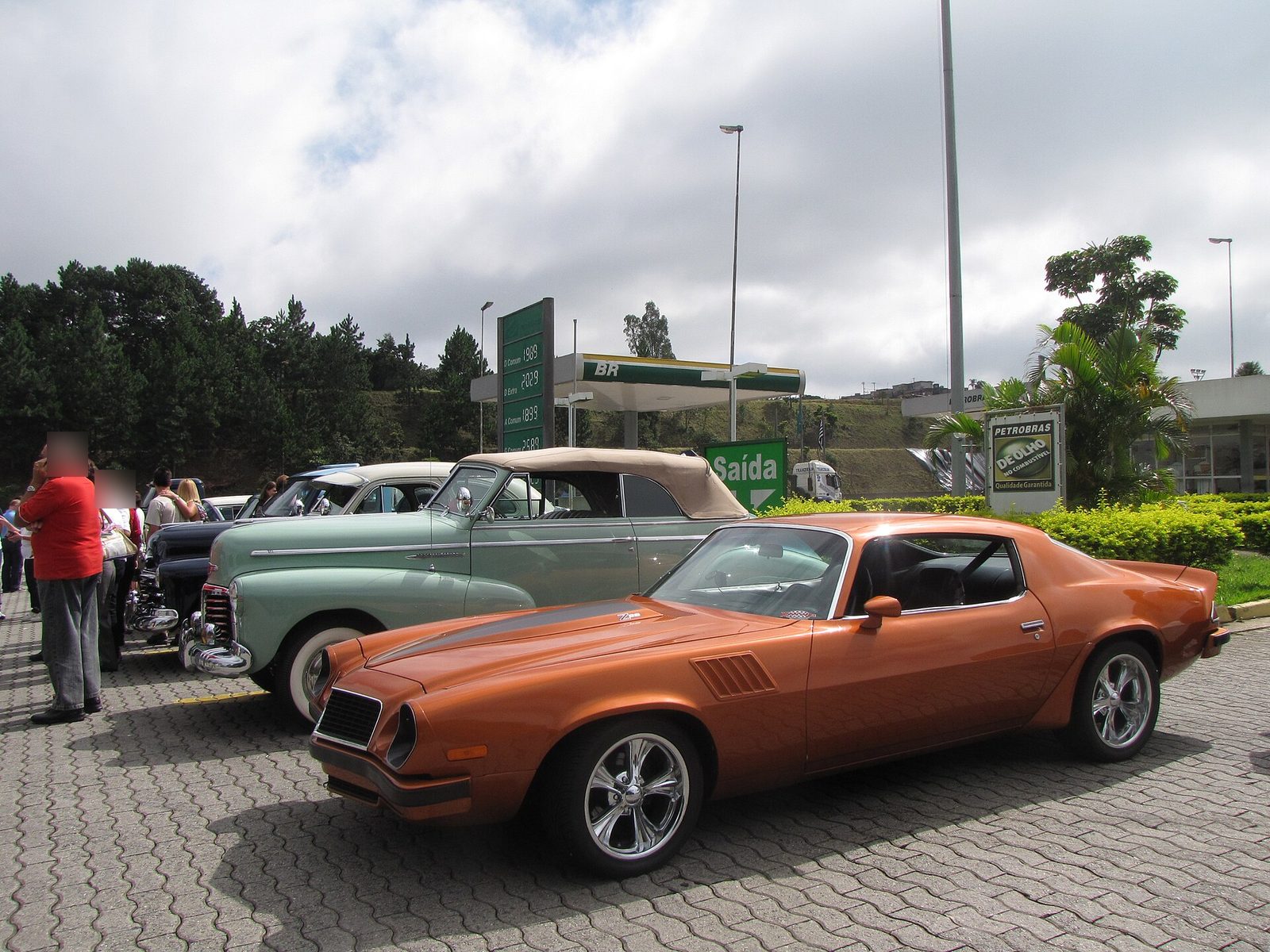
The 5-mph bumper standard ended the look for 1974. A large aluminum bumper, a matching rear bumper and wraparound taillamps added about seven inches and more than 200 lb, just as the fuel crisis made weight matter most. Body-color urethane covers replaced the aluminum bumpers for 1978.
Original CamaroFacts figure. Sources:
1970 reference table
1981 reference table
Luxury Models and the Model Mix
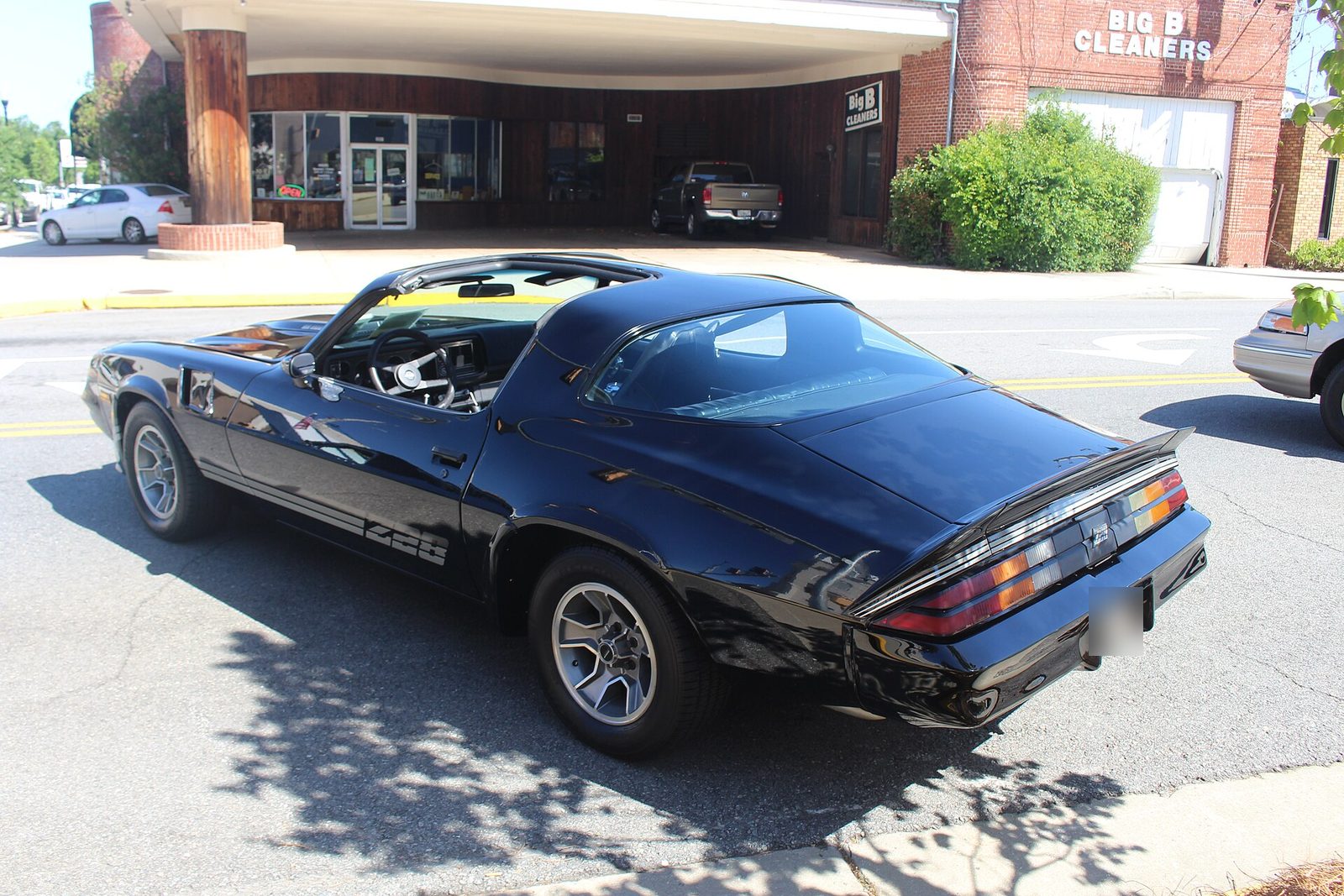
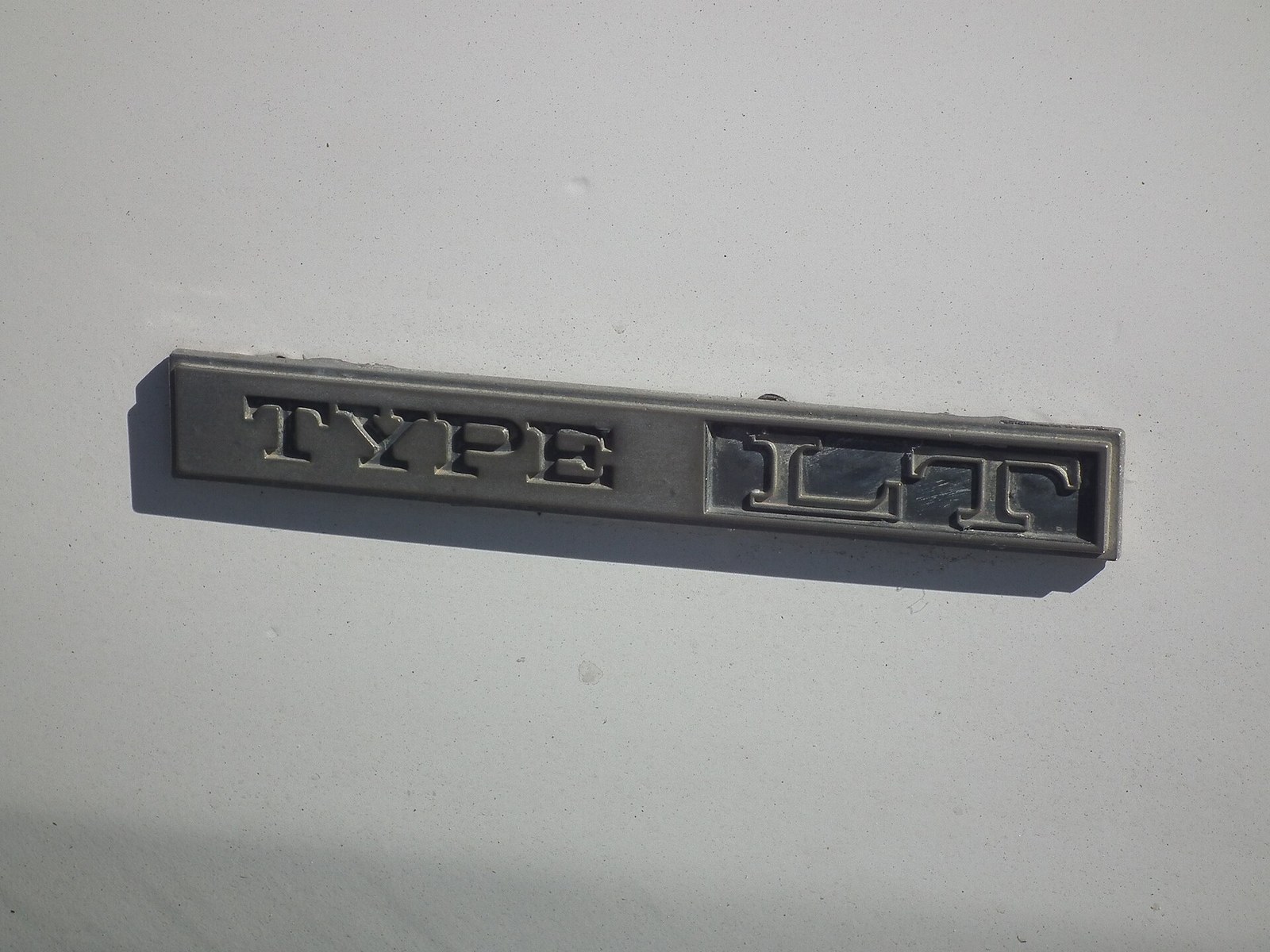
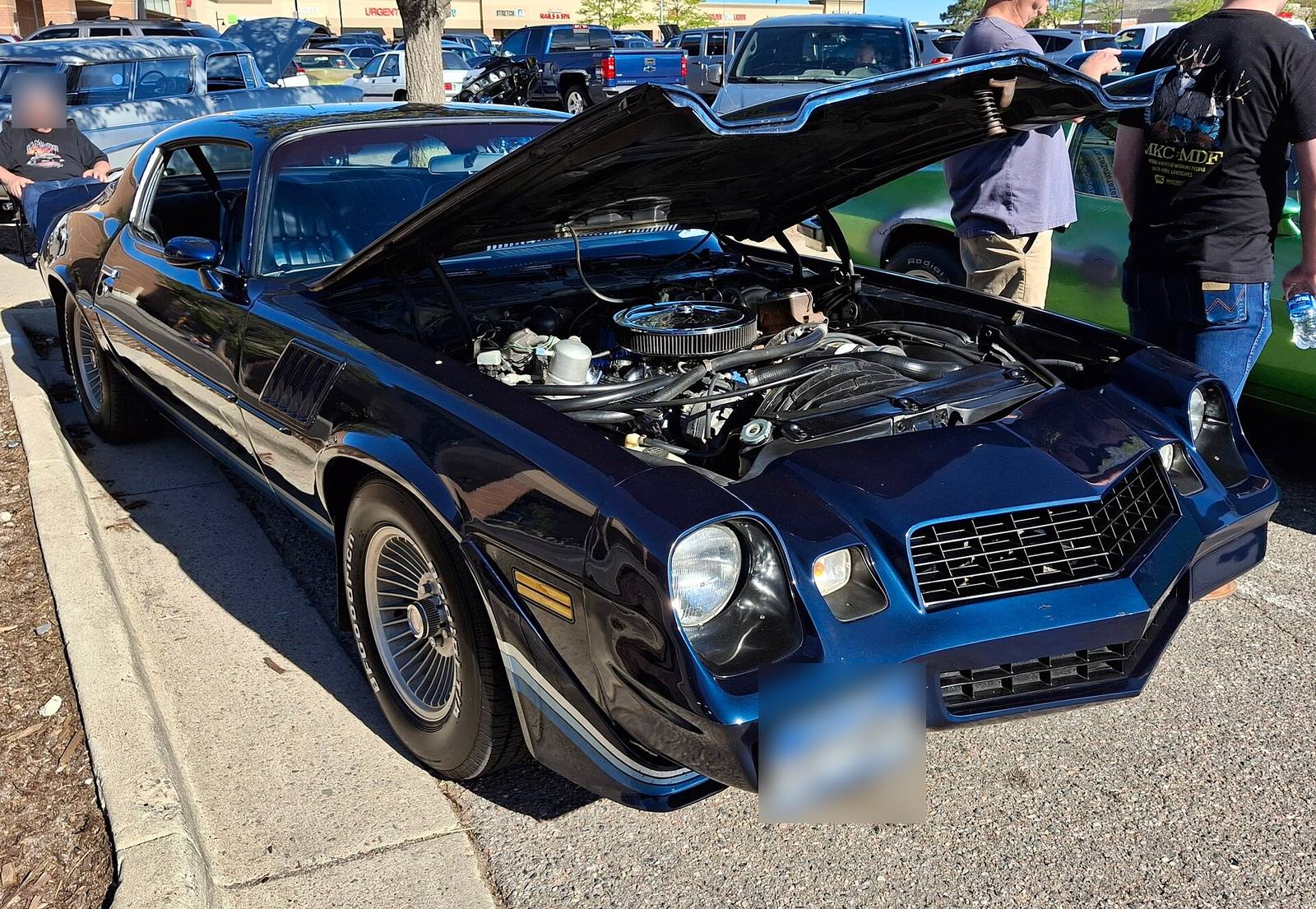
The comfort model could outnumber the performance version in production. Type LT, introduced for 1973, had 65,635 cars built in 1978 against the Z28's 54,907. Berlinetta replaced it for 1979 with dual pinstripes and cloth buckets (color-keyed aluminum wheels cost extra) and had 67,236 built in its first year, behind the Z28's 84,877. Removable T-top roof panels reached the Camaro in 1978, after Pontiac had offered them on the Firebird, and went on 9,875 cars that year.
Original CamaroFacts figure. Sources:
1978 reference table
The Camaro Becomes the IROC Car
The International Race of Champions began in 1973 with identical Porsche 911 Carrera RSRs, then switched to identically prepared Camaros for its second series in 1975 because they were cheaper to run. The Camaro was the IROC car for twelve seasons, 1975–80 and 1984–89. That is the lineage behind the IROC-Z name Chevrolet licensed for the third generation; see the racing history.

Did you know
- The split-bumper Rally Sport was a volume item. GM counts 27,136 RS cars for 1970, 18,404 for 1971, 11,364 for 1972 and 16,133 for 1973, or 73,037 in all, then no RS at all in 1974. It returned in 1975 with 7,000, and reached 15,855 in 1976 and 17,026 in 1977.
- The fuel crisis is visible in GM's numbers. Six-cylinder Camaros were only 3,618 of 96,756 built for 1973 (3.7%), then jumped to 22,198 of 151,008 for 1974 (14.7%), even as total output rose 56% and the 5-mph bumpers arrived. V-8s made up 96.3% of 1973 cars, 85.3% of 1974.
- Between 1967 and 1977 the Camaro became a fully equipped car. Air conditioning went from 12.8% of cars (28,226 of 220,917) to 66.0% (144,443 of 218,854), automatics from 56.2% to 89.8%, and V-8s from 73.4% to 85.7%. Every 1977 Camaro had power steering; 31,028 had power windows. These counts come from GM's production table, whose totals run a few cars above the 220,906 and 218,853 given for those years elsewhere.
- The second generation kept the 108.0-inch wheelbase but grew around it. GM's February 1970 kit lists a Sport Coupe 188.0 inches long, 74.4 wide and 50.5 tall, against 184.7, 72.5 and 51.4 for 1967, and 3,278 lb with the base V-8 against 3,070. By 1981 the car was 197.6 inches long.
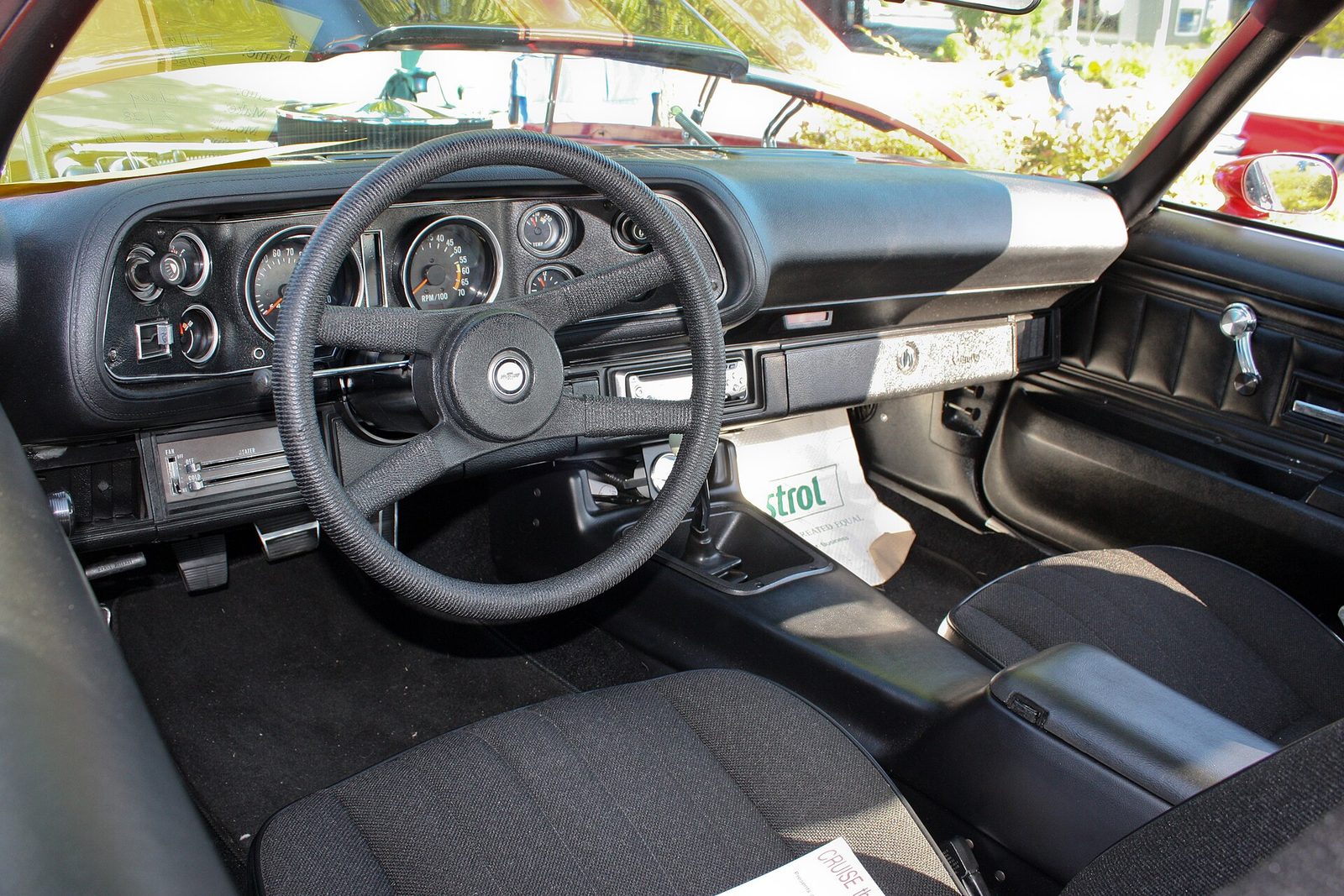
- By 1971 Chevrolet's own kit was listing an energy-absorbing steering column and instrument panel, side-guard beams, head restraints, a thick-laminate windshield and pushbutton-buckle belts at every seating position among the Camaro's occupant-protection features.
Sources for these details
- 1969 Chevrolet Camaro vehicle information kit (GM Heritage Center) GM Heritage factory archive
- 1970 Chevrolet Camaro vehicle information kit (GM Heritage Center) GM Heritage factory archive
- 1971 Chevrolet Camaro vehicle information kit (GM Heritage Center) GM Heritage factory archive
- 1972 Chevrolet Camaro vehicle information kit (GM Heritage Center) GM Heritage factory archive
- 1967 Chevrolet Camaro vehicle information kit (GM Heritage Center) GM Heritage factory archive
- 1981 Chevrolet Camaro vehicle information kit (GM Heritage Center) GM Heritage factory archive
- Camaro White Book retrospective reprint, GM archive PDF p. 61 Historical reference-book reprint
- The Militant, October 20, 1972, report dated October 10, printed p. 21 Contemporary newspaper report
- 1970 Chevrolet Camaro engine data and ratings, February 1970, Power Trains p. 4 (GM kit PDF p. 32) Chevrolet factory specifications
- 1971 Chevrolet Camaro gross and net advertised ratings, revised January 1971, Power Trains p. 4 (GM kit PDF p. 29) Chevrolet factory specifications
- 1972 Chevrolet Camaro advertised net ratings, September 1971, Power Trains p. 4 (GM kit PDF p. 42) Chevrolet factory specifications
Year by year
| Year | The year in brief | Production / sales | Highest listed engine ratings |
|---|---|---|---|
| 1970 | 1970½ — a new car under a continuing name | 124,901 Total production |
396 (402) cu in V8 (L78), 375 hp (gross) at 5,600 rpm
(highest gross rating listed) Code: L78. SS; February 26 AMA lists four-speed manuals. The kit’s historical SS chapter lists manual and Turbo Hydra-matic suffixes; that transmission disagreement is unresolved. The chapter records 600 L78 cars.
|
| 1971 | Compression falls for unleaded | 114,630 Total production |
350 cu in LT-1 V8, 330 hp (gross) at 5,600 rpm, 275 hp (net) at 5,600 rpm
(highest gross / net rating listed) Code: Z28. Z28; compression cut to 9.0:1
|
| 1972 | The darkest hour | 68,656 Total production |
350 cu in V8, 255 hp (net) at 5,600 rpm
(highest net rating listed) Code: L. Z28
350 cu in V8, 255 hp (net) at 5,600 rpm
(highest net rating listed) Code: T. Z28; listed by the Camaro White Book; GM's own page prints L for this engine
|
| 1973 | SS gone, Type LT arrives: the last of the small-bumper cars. | 96,751 Total production |
350 cu in V8, 245 hp (net) at 5,200 rpm
(highest net rating listed) Code: T. Z28
|
| 1974 | The big-bumper year | 151,008 Total production |
350 cu in V8, 245 hp (net) at 5,200 rpm
(highest net rating listed) Code: T. Z28
|
| 1975 | Catalytic converters arrive; the Z28 is gone | 145,770 Total production |
350 cu in V8, 155 hp (net) at 3,800 rpm
(highest net rating listed) Code: L. LM1 four-barrel; all states.
|
| 1976 | Still no Z28, while Pontiac cleans up | 182,959 Total production |
350 cu in V8, 165 hp (net) at 3,800 rpm
(highest net rating listed) Code: L. LM1 four-barrel; all states. The MVMA sheet excludes the manual transmission in California.
|
| 1977 | The comeback | 218,853 Total production |
350 cu in V8 (LM1/Z28), 185 hp (net) at 4,000 rpm (Car and Driver); 160 hp (net) at 3,800 rpm (February MVMA)
(highest net rating listed) Code: L. Z28; April 1977 Car and Driver test-car specifications disagree with the February 1977 MVMA Z28 row. No cause is established. Chevrolet's product sheet requires the automatic in California.
|
| 1978 | T-tops arrive; Type LT bows out on top | 272,631 Total production |
350 cu in V8 (LM1/Z28), 185 hp (net) at 4,000 rpm; 175 hp (net) at 3,800 rpm in California or above 4,000 feet
(highest net rating listed) Code: L. Z28 with dual exhaust; manual unavailable in California.
|
| 1979 | The record year | 282,571 Total production |
350 cu in V8 (LM1/Z28), 175 hp (net) at 4,400 rpm; 170 hp (net) at 4,000 rpm in California or above 4,000 feet (engineering tables); 180 hp (net) federal / 175 hp (net) California (brochure)
(highest net rating listed) Code: L. Z28. Dated engineering tables and brochure disagree; no cause inferred. Brochure peak speeds are not printed.
|
| 1980 | The second generation winds down as the fuel-economy era bites. | 152,005 Total production |
350 cu in V8 (LM1/Z28), 190 hp (net) at 4,200 rpm
(highest net rating listed) Code: L. Federal Z28; 4-speed manual base, automatic available.
|
| 1981 | The last of the long generation | 126,139 Total production |
350 cu in V8 (LM1/Z28), 175 hp (net) at 4,000 rpm
(highest net rating listed) Code: L. Z28 with automatic. September MVMA confirms 175 hp; the kit's facts text and GM fact sheet also say 175, while its option list prints 190 hp. The brochure leaves LM1 horsepower unfilled.
|
The Z28 year by year
| Year | Engine | Rating | Z28s built |
|---|---|---|---|
| 1970 | LT-1 350 | 360 hp gross | 8,733 |
| 1971 | LT-1 350 | 330 hp gross / 275 hp net | 4,862 |
| 1972 | LT-1 350 | 255 hp net | 2,575 |
| 1973 | 350 | — | 11,574 |
| 1974 | 350 | — | 13,802 |
| 1975–76 | Not offered | — | — |
| 1977 | 350 | — | 14,349 |
| 1978 | 350 | 185 hp | 54,907 |
| 1979 | 350 | — | 84,877 |
| 1980 | 350 | 190 hp | — |
| 1981 | 350 | 175 hp (automatic); 305 with the 4-speed | 43,272 |
Ratings from the GM Heritage kits and engine-code tables; counts from GM's 1967–77 model-year production table and the kits.
Model mix where Chevrolet's counts survive
| Year | Sport Coupe | Type LT / Berlinetta | Z28 | Total |
|---|---|---|---|---|
| 1971 | 114,630 (all) | — | 4,862 | 114,630 |
| 1978 | — | 65,635 | 54,907 | 272,631 |
| 1979 | — | 67,236 | 84,877 | 282,571 |
| 1981 | 62,614 | 20,253 | 43,272 | 126,139 |
1971 also had 8,377 SS and 18,404 Rally Sport cars. The 1978 total splits into 36,982 six-cylinder and 235,649 V8 cars.
Model years
Compression falls for unleaded
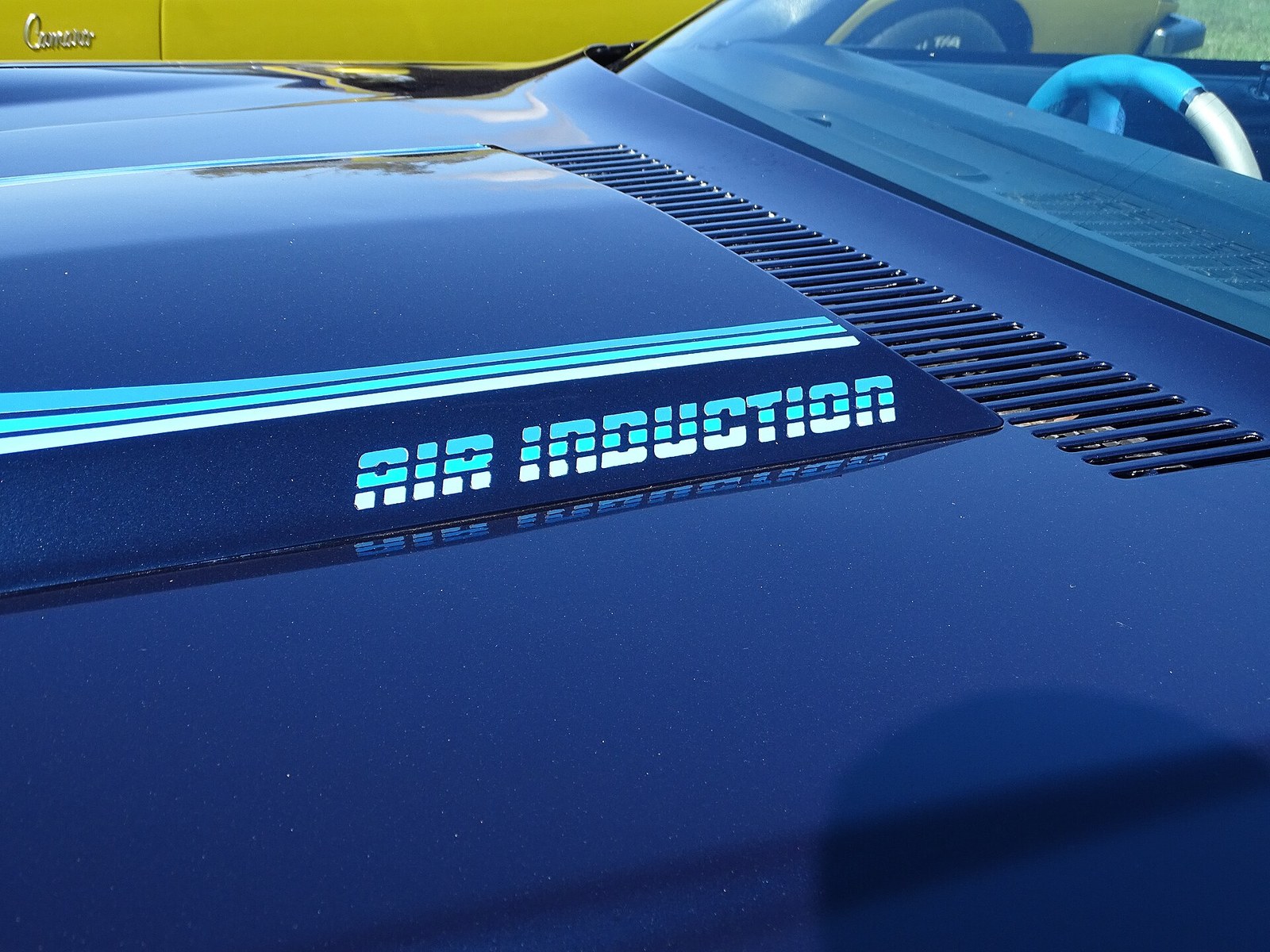
V8 compression falls as Chevrolet prepares its engines for unleaded fuel.
Catalytic converters arrive; the Z28 is gone
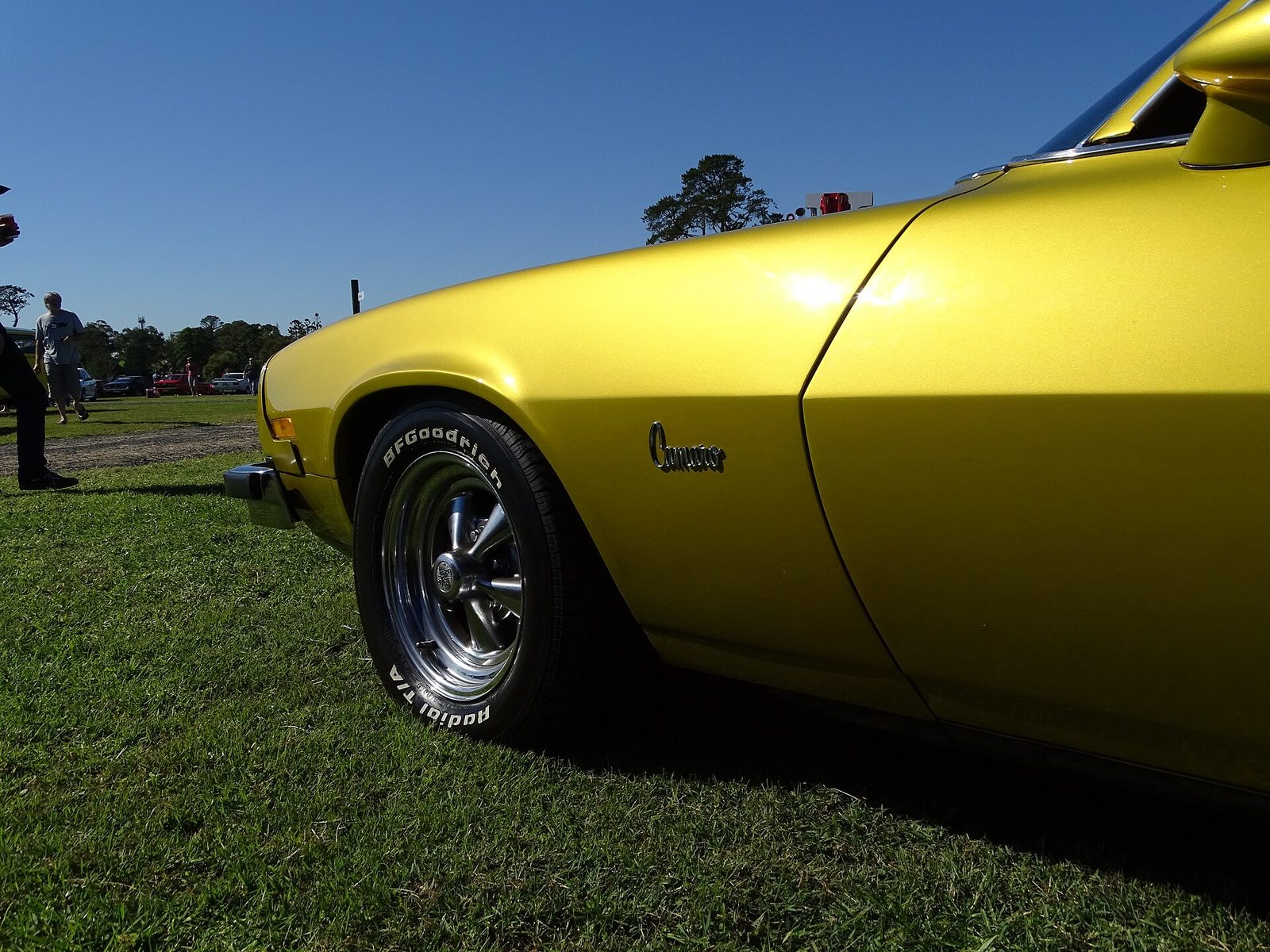
Catalytic converters and unleaded fuel arrive, and the Z28 sits out two years.
Still no Z28, while Pontiac cleans up
Strong sales, no Z28, and no answer to Pontiac's Trans Am.
T-tops arrive; Type LT bows out on top
T-tops offered on a Camaro for the first time, and the plush Type LT outsells the Z28 in its final year.
The last of the long generation