1972
The year the line stopped
A 174-day strike, 1,100 bodies scrapped for failing a bumper rule that hadn't arrived yet, and the lowest production figure for eighteen years.
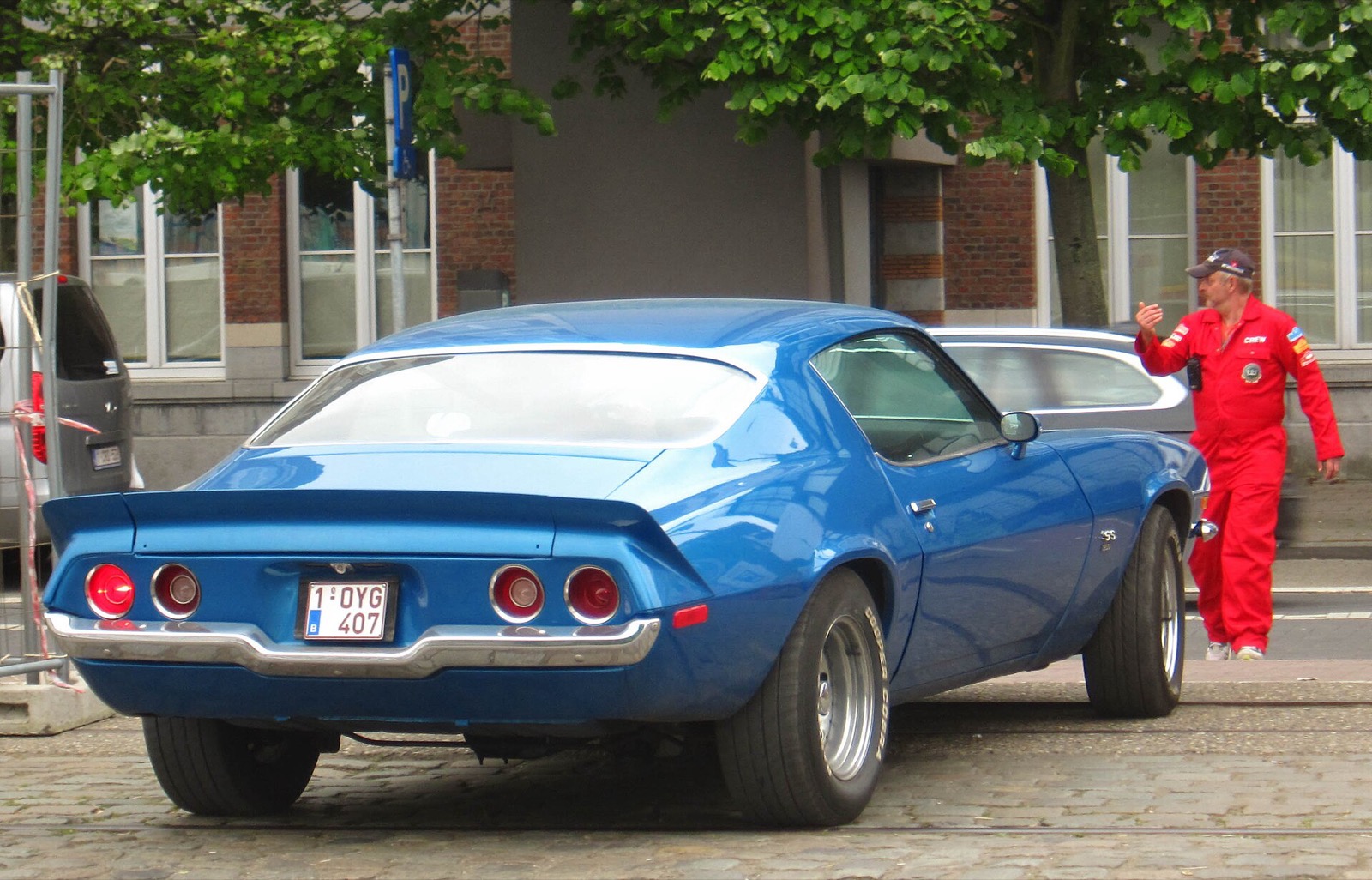
In April 1972 the UAW struck GM's Norwood, Ohio assembly plant. Camaro and Firebird production stopped dead and did not restart until September — 174 days.
By the time the line moved again, the rest of GM had already begun tooling up for the 1973 model year. That left roughly 1,100 Camaro and Firebird bodies stranded mid-assembly, built to 1972 specification, in a calendar that had moved on. They could not be finished as 1972 cars and they could not be sold as 1973 cars, because they did not meet the incoming federal bumper standards.
They were scrapped. Not stored, not converted — scrapped, as bodies, before they were ever cars.
The year finished at 68,656 Camaros, the lowest single-year total from the car's 1966 launch until 1990. Eighteen years.
It is at this point that GM is said to have considered dropping the Camaro and Firebird entirely, to simplify compliance with the safety, emissions and fuel-economy rules arriving in sequence — and to have backed off after pushback from dealers and owners.
We have flagged that claim rather than asserted it. It appears in multiple independent retrospectives and it is entirely plausible given the documented production collapse and the regulatory pressure of the moment. But no primary GM planning document has been located showing the decision was seriously on the table, as opposed to enthusiast-press shorthand for a period when everything about the car's future looked precarious. If you have seen such a document, we would like to.
What is not in doubt: the second generation nearly ended four years in, and 1,100 bodies went to scrap over a bumper rule that had not taken effect yet.
See 1972 and the second generation.