Design
The designers who disowned it
Two GM styling vice-presidents later called the Camaro a compromise. One of them said he couldn't remember what it looked like.
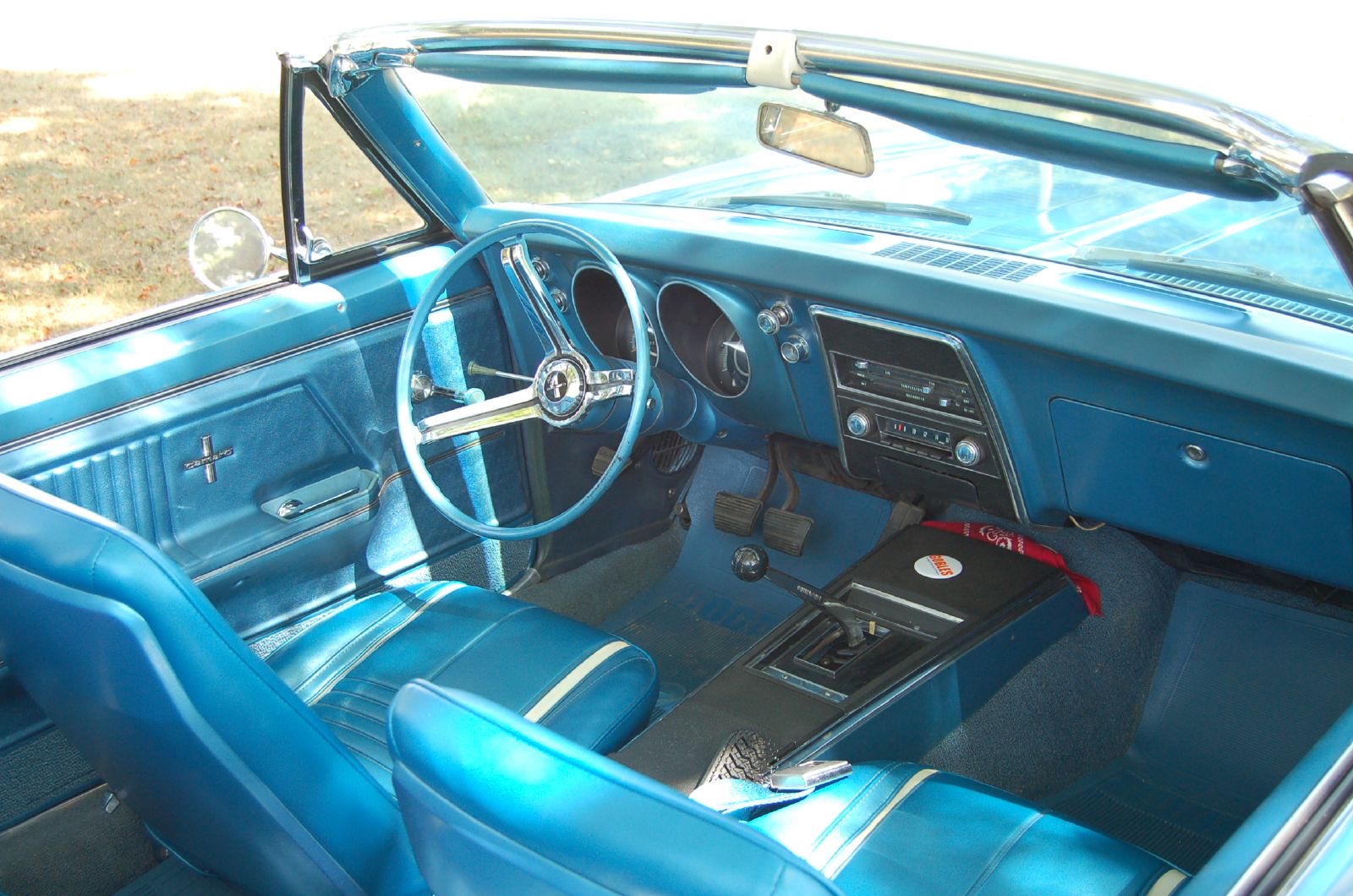
The Camaro was designed under project XP-836 in Chevrolet Studio 2 at the GM Technical Center in Warren, Michigan, before it had a name — internally it was just the F Car. Bill Mitchell, who had succeeded Harley Earl as GM's design chief in 1958, oversaw it. The chief designer was Henry Haga, reporting to Dave Holls, with contributions credited to Chuck Jordan and Irv Rybicki.
Interior design is credited to Suzanne Vanderbilt and Cathy Kascur of the Chevrolet studio. That is worth stopping on: in the mid-1960s very few women held visible automotive design credits anywhere at GM, and two of them shaped the inside of the car you sat in.
Years later, in retrospective interviews, Mitchell and Rybicki — by then both GM Styling vice-presidents — were dismissive about the production car. They described it as a compromised committee effort. Mitchell is reported to have said he couldn't remember what the hell they looked like.
Take that for what it is: two senior designers editorialising about a car they had signed off on, decades after the fact, in an industry where authorship is fought over. It is not a verdict on the design. Nearly every other source in this research treats the first-generation Camaro as a classic, and the market has never once agreed with Mitchell.
But it is a useful corrective to how these stories usually get told. The Camaro was not a singular vision executed by a great man. It was a crash programme, run to a deadline set by the Mustang, by a studio full of people — some of whom did not much like what came out the other end, and one of whom claimed not to remember it at all.
More on Henry Haga, Larry Shinoda and the first generation.