Henry Haga
Chevrolet Studio 2 chief designer, project XP-836


Henry Haga was chief designer of the first Camaro, which took shape in Chevrolet Studio 2 while it was still known only as project XP-836.
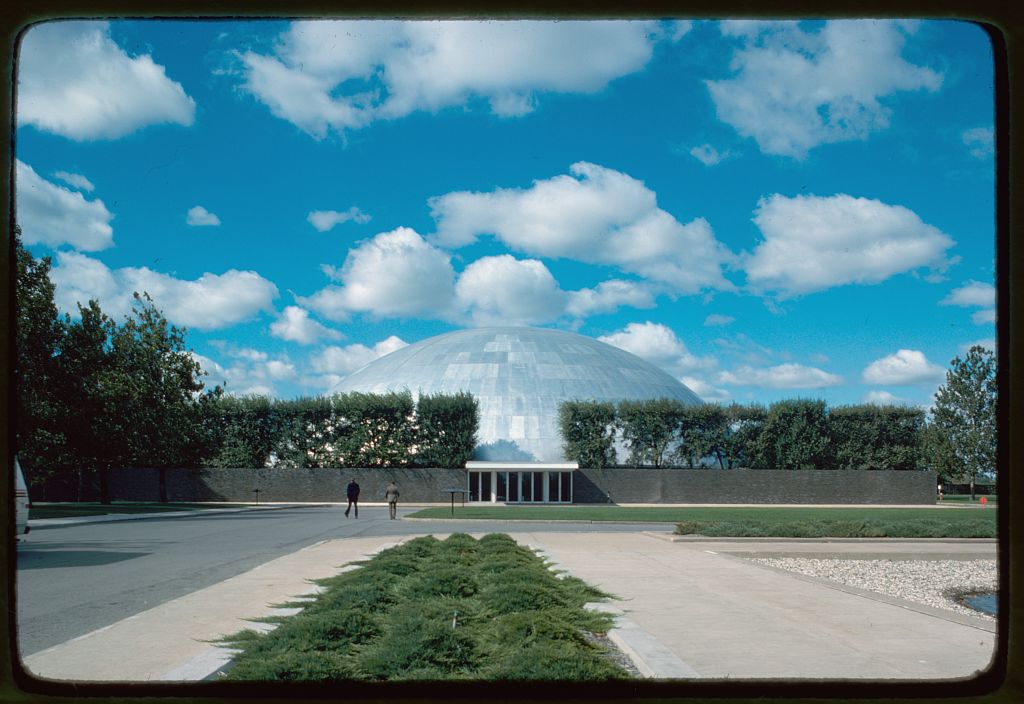
Before it had a name, the Camaro was the "F Car." Studio 2 sat at the GM Technical Center in Warren, Michigan, and Bill Mitchell, who had succeeded Harley Earl as GM's head of design in 1958, oversaw the work. Haga reported to Dave Holls, a stylist who led the Cadillac, Buick, Pontiac and Chevrolet studios at different points in a forty-year GM career. Chuck Jordan and Irv Rybicki are credited with contributions.
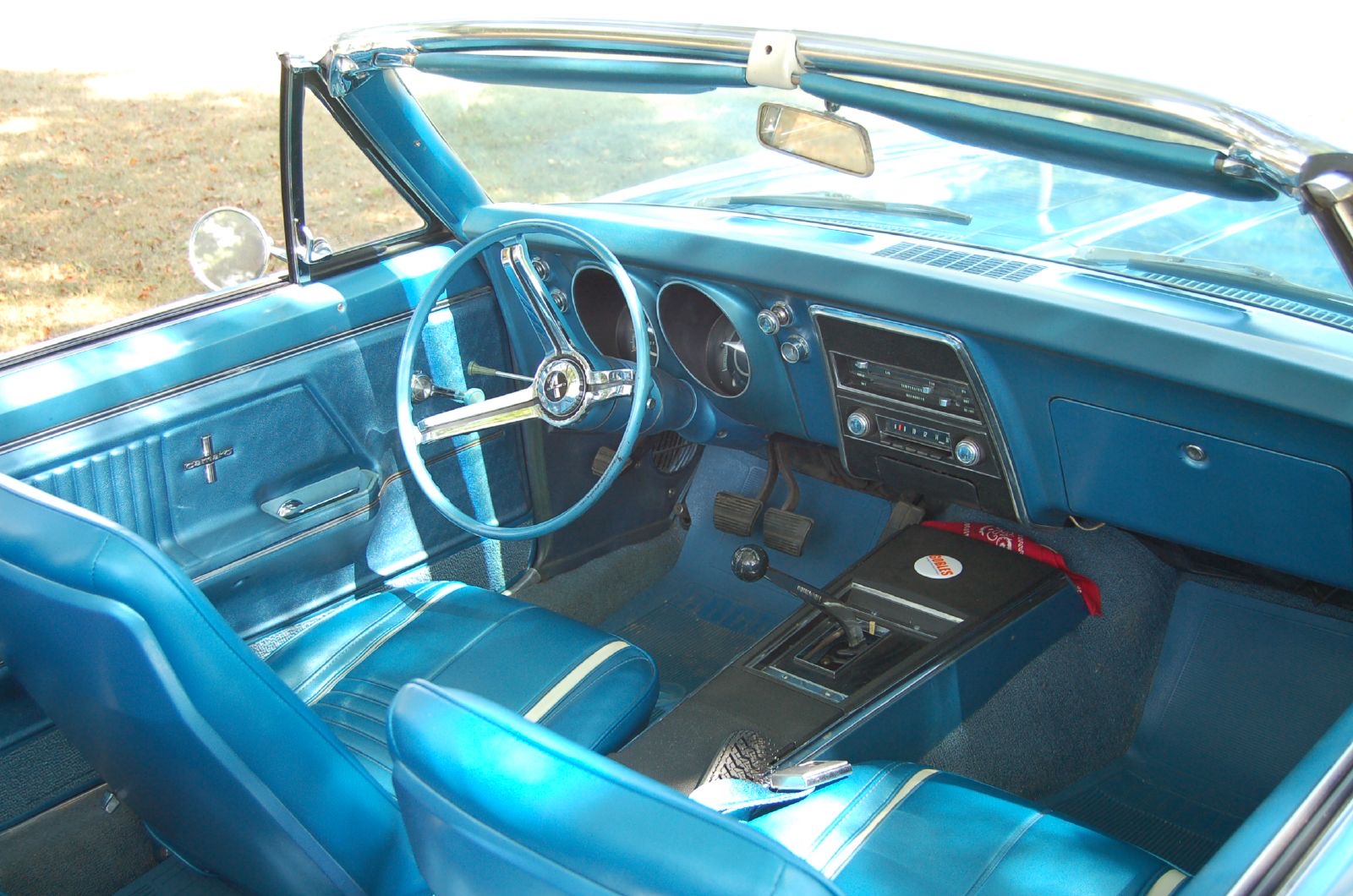
The interior is credited to Suzanne Vanderbilt and Cathy Kascur of the Chevrolet studio, at a time when very few women held visible design credits at GM. One published account instead names George Angersbach, who ran interior design for the Corvette, Corvair and Chevy II, as responsible for the Camaro's interior.

The National Corvette Museum's 2020 Hall of Fame profile places Haga at the head of Chevy 2/3 Studio from 1963 to 1974. Colleagues recall his work adapting the Mako Shark II theme for the production Corvette and his leading role in the four-rotor concept. The profile also documents Camaro work and his mentoring of Jerry Palmer, Randy Wittine and John Cafaro, within Bill Mitchell's design organization.
Did you know
- The car had a prehistory before Haga's team touched it. Chevrolet stylists had been sketching four-seat personal cars since at least 1958, Irv Rybicki proposed a Chevy II-based one in 1962, and a Nova-based prototype called the Super Nova was shown at the New York Auto Show in early 1964, months before GM approved the F-body.
- His full name in the record is Henry "Hank" Haga. He was given overall responsibility for the Camaro's styling, and his boss, David Holls, was then new as the division's chief designer.
- Haga's schedule was short. GM approved the F-body on August 8, 1964; the instrument-panel layout was finalized in September 1965; the first hand-built prototype was done in December 1965 and the final prototype on May 5, 1966. A 49-car pilot run started May 21, 1966, and the car reached dealers September 29, 1966.
- Haga had to style around borrowed hardware. The F-body shared subframes, cowls, floorpans, brakes, axles, wheels and suspension pieces with the upcoming 1968 Chevy II, and the first test cars ran on modified Chevy II sheet metal starting in September 1964.
Sources for these details
- Ate Up With Motor - Chevrolet Camaro (first generation) Reference
- Old Cars Weekly - Developing the Camaro Reference
- National Corvette Museum — Henry Haga, 2020 Hall of Fame profile and colleague recollections Institutional history / firsthand recollections
Key beats
- Chevy 2/3 Studio chief, 1963–1974
- Camaro, Corvette and concept-car work
- Corvette Hall of Fame, class of 2020