The name
What is a Camaro?
A disputed French-slang story, a 14-city press conference, and a line that stuck.
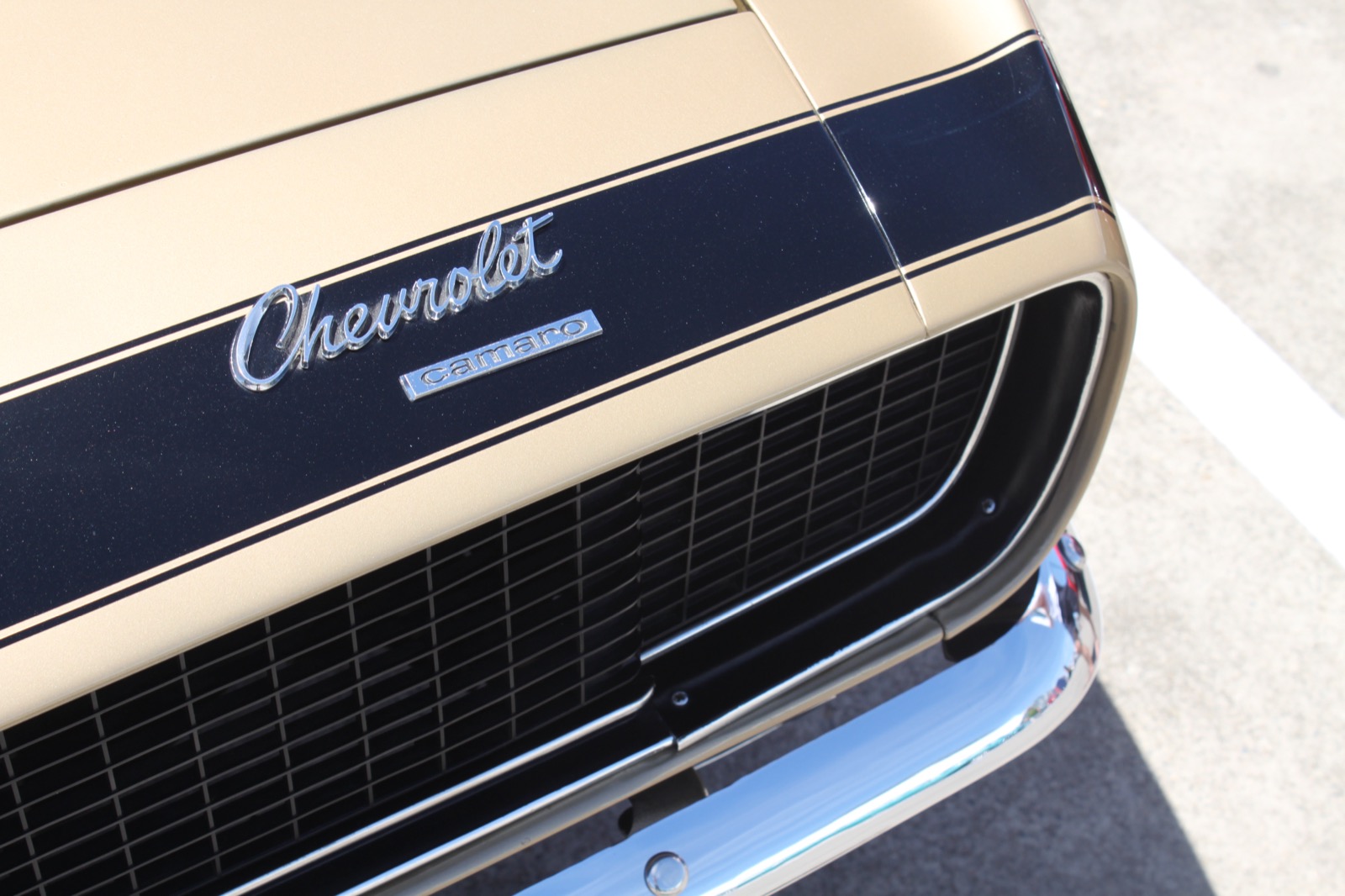
Chevrolet announced the name at a press conference at Detroit's Statler-Hilton Hotel on June 28, 1966 — notable at the time for connecting journalists in 14 cities simultaneously by phone line. Pete Estes opened by joking that everyone in the room was a charter member of the “Society for the Elimination of Panthers from the Automotive World” (SEPAW) — a jab at the car's outgoing code name — and that this would be SEPAW's first and last meeting. Then he announced it: Camaro.
Chevrolet's own explanation was that merchandising manager Bob Lund and GM vice president Ed Rollert had found “camaro” in a French-English dictionary, where it supposedly appeared as slang for friend, pal, or comrade — meant to suggest the comradeship of a good personal car, and to keep Chevrolet's “C” naming pattern going after Corvair, Chevelle, Chevy II, and Corvette.
Automotive press pushed back almost immediately. Ford's own researchers and Motor Trend both reported they couldn't verify any such French slang usage, and that other obscure “definitions” quietly circulating were considerably less flattering — including, in some tellings, a slang term for a small shrimp-like creature. No one has ever produced the actual dictionary entry. Treat the story as Chevrolet's own origin tale, not a verified etymology.
What's not in dispute is what happened at that same unveiling, when a journalist asked Estes what a Camaro actually was. His answer outlived the entire etymology debate: “a small, vicious animal that eats Mustangs.” It's the closest thing the car has ever had to an official motto, and Chevrolet has reached for it in its own marketing on and off for six decades.