Chicago's 427 shop that beat Yenko to it
A Chicago dealer with a backwards K on its sign sold 427 Camaros the factory wouldn't build, and the name is still on shop doors sixty years later.
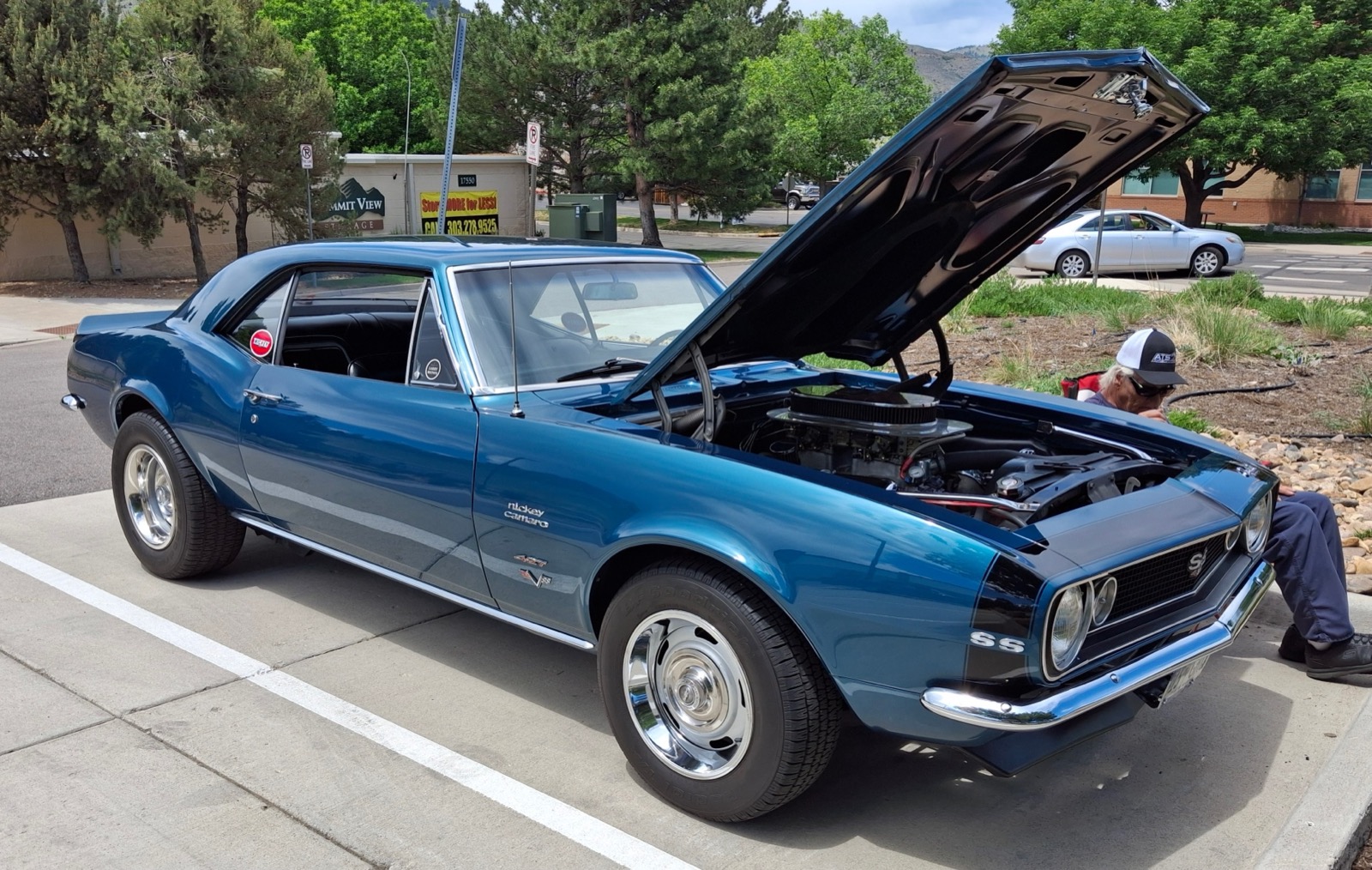
Yenko usually gets the headline, but Nickey Chevrolet may have gotten there first. The Chicago dealership was putting Corvette 427s into brand-new Camaros within months of the car's September 1966 introduction, about two years before Chevrolet agreed to build 427 Camaros itself through the COPO system.
The backwards K
Nickey was founded in 1925 and bought by the Stephani family in the 1930s; after the Second World War brothers Ed Stephani, as president, and Jack Stephani, running sales and marketing, built it into something much bigger than a neighborhood car lot. From its home on Irving Park Road it grew to a facility of about 200,000 square feet. Its trademark was a mistake on purpose. Jack Stephani, the story goes, noticed a sign on vacation in Florida with a letter turned around, and had Nickey's name put up with the K reversed. People stopped to point out the “error,” and the dealership had them exactly where it wanted them. The backwards K became the badge on every Nickey car.
Racing before Camaros
Nickey was a racing dealership before the Camaro existed. In 1958 it began racing Corvettes, with Jim Jeffords driving an SR-2 that became known as the “Purple People Eater.” Jeffords won the SCCA B Production national championship in 1958 and again in 1959. By the mid-1960s the dealership had a performance parts department to match, managed by Don Swiatek and famous among Chicago drag racers for staying open late on weekends: until midnight, by one employee's recollection.
Super Car Conversions
In 1966 Nickey launched what it called Super Car Conversions, with technical support from Bill Thomas Race Cars of Anaheim, California, the shop better known for the Cheetah. When the Camaro arrived, the two set out to fit it with the Corvette's L72 427, the engine Chevrolet's own rules kept out of the car. Thomas built conversions for customers in California; Nickey served the rest of the country. The conversions came in graduated states of tune, Stage I, Stage II and Stage III.
Thomas brought experience from Corvette tuning, Chevrolet development projects and the Cheetah sports racer. Its racing-category and production story includes a later interview that recalls a changed requirement, alongside period rules that distinguish touring and GT categories. The racing rules behind Cheetah and Z/28 keeps those sources separate. HOT ROD's account of January 1967 trade-show photographs documents Nickey and Bill Thomas Race Cars sharing a booth with Camaro components. That display establishes cooperation without settling their complete conversion totals. The signs described Z/28 headers plus fuel-pump-rod and distributor-advance kits for 427 conversions. The boards claimed AHRA Stock Class approval for those two 427 kits. These sales claims give component context, rather than a count of finished cars.
One period build, as described in a detailed history of the program, started with an SS 350 and received the 427 with dual four-barrel carburetors on an aluminum manifold, a four-speed, Positraction with 4.88 gears, traction bars, headers and chromed Cragar wheels, for a price quoted at $3,711. The drag racer Dick Harrell, who engineered cars for Nickey from 1966, is believed to have installed the first 427 in a Camaro sold as a dealer-installed new car, though the sources for that claim hedge it in the same words. Either way, by 1967 Chicago had a 427 Camaro on sale, and so did Anaheim.


The biggest in the world
By the late 1960s Nickey described itself, and was described by others, as the largest Chevrolet dealership and high-performance parts shop in the world. Its catalog and its advertising reached racers far outside Illinois, and its conversions spread from Camaros to Novas, Chevelles, Impalas and Corvettes. Enthusiasts remember it as Chicago's “Supercar Headquarters,” and for a few years that was no exaggeration: a buyer could walk in, order a new Camaro and drive out with a car the factory refused to build.
The end, and the name's return
It did not survive the 1970s. Insurance surcharges, emissions rules and the end of the factory horsepower race closed in on every dealer-tuner, and Nickey was sold in 1973 to become Keystone Chevrolet. Its last conversion was delivered in November 1973. A successor speed shop and conversion center on Milwaukee Avenue carried on until 1977.
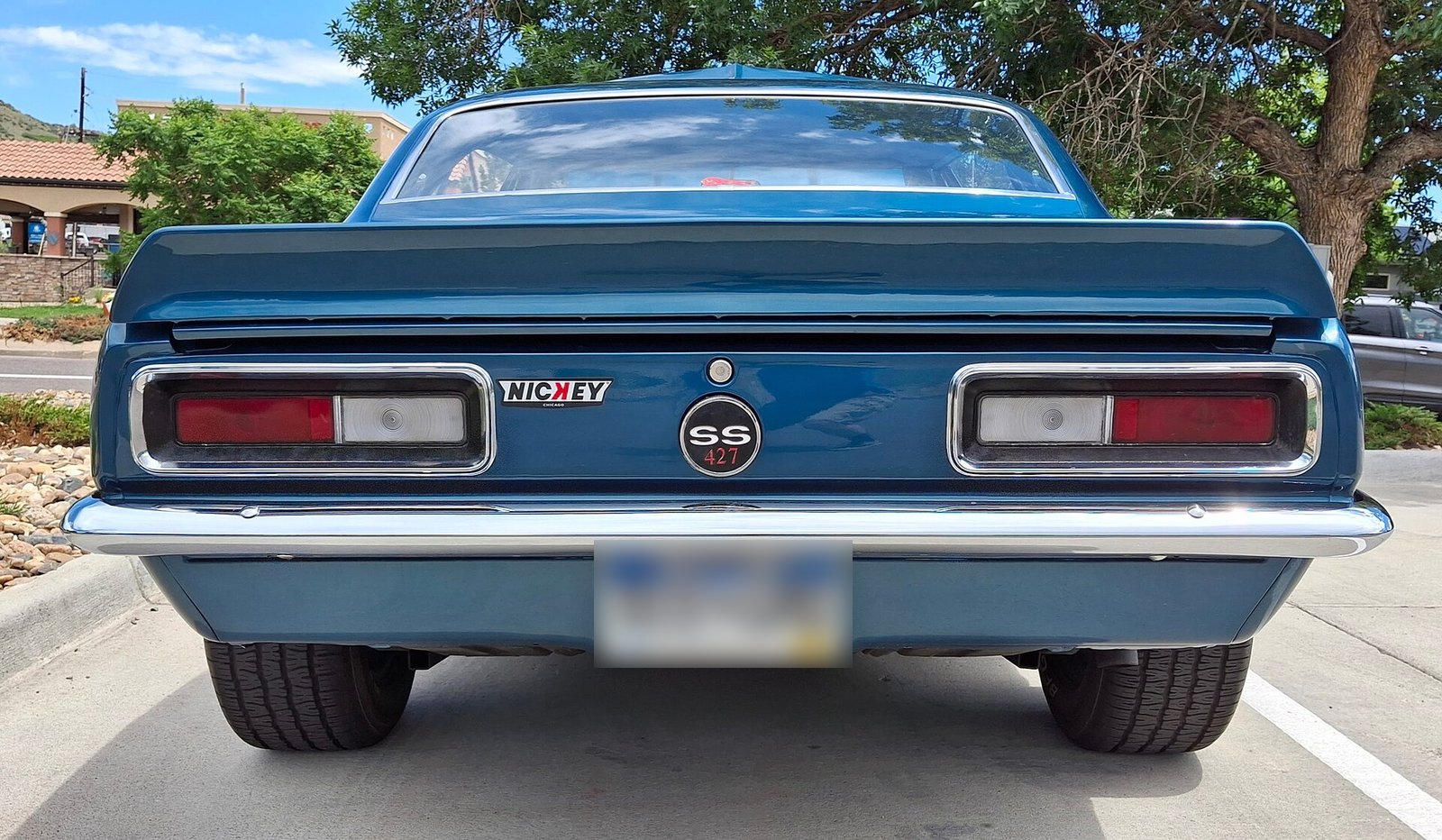
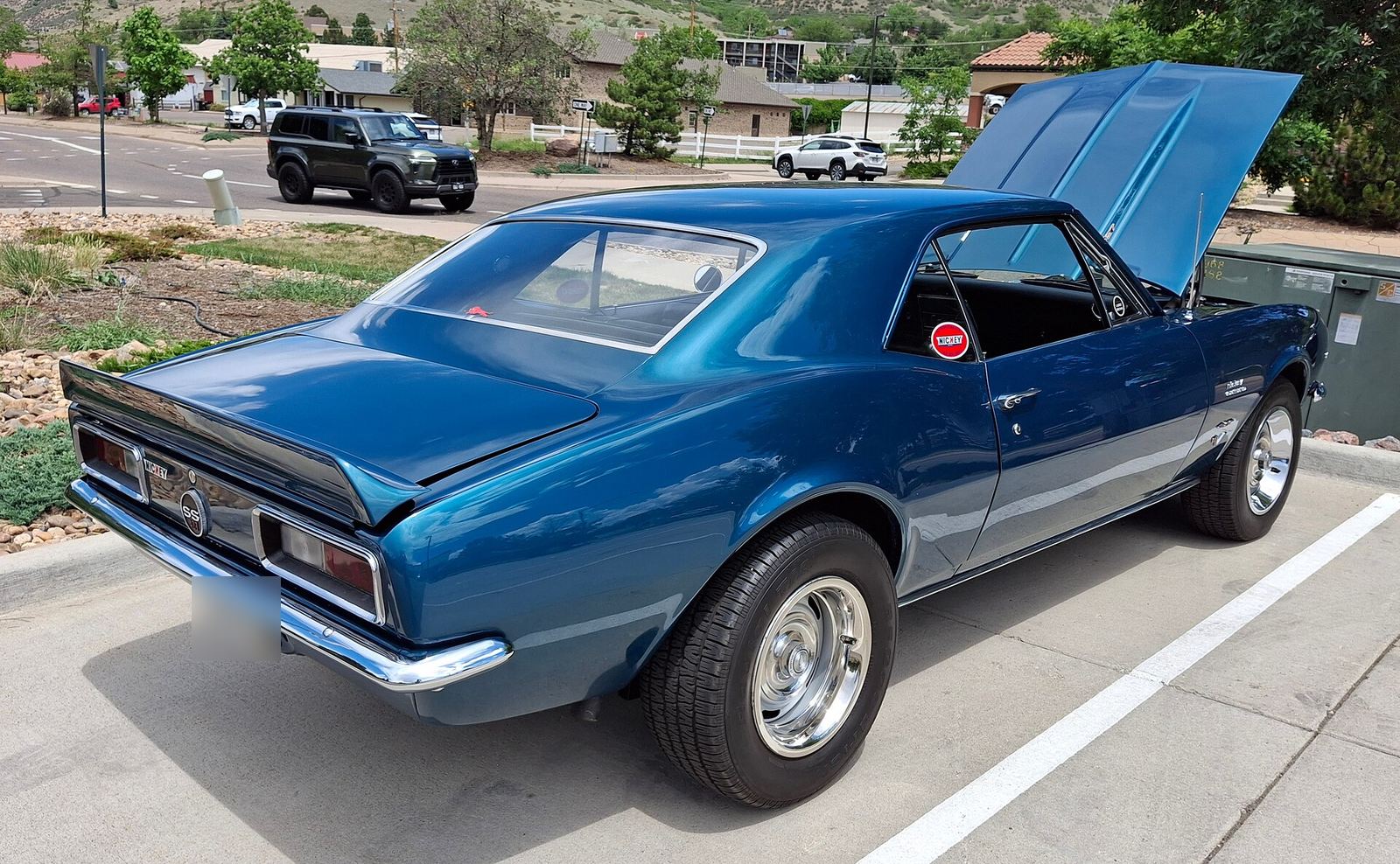
The name came back in the new century. Muscle-car collector Stefano Bimbi learned in 2002 that the Nickey rights were available and, by one account, completed the purchase in 2006, setting up Nickey Performance in northern Illinois. When the fifth-generation Camaro arrived for 2010, the revived company built it with the old Stage I, II and III names. The blue 1967 SS pictured here, with its hood up over a big-block and “nickey camaro” script on the fender, is a modern car wearing the old name. How Nickey's rivals approached the same problem is in the dealer who out-engineered Chevrolet.


Did you know
- Nickey's purple racers date from 1958. Jim Jeffords bought a 1956 Corvette SR-2 in January 1958 and was hired that spring, with Ronnie Kaplan as crew chief. The cars became Purple People Eaters after Sheb Wooley's hit that summer, but accounts differ on where the purple itself came from.
- The Stephani family got Nickey Chevrolet in 1933 in a mortgage swap. Tom Stephani, son of Jack, told Hemmings Muscle Machines his grandfather Edward took the dealership in exchange for a mortgage he held on Mr. Nickey's home. Jack ran marketing, sales and promotions; his brother Ed ran finance and operations.
- The Nickey Corvettes were nearly unbeatable. Jim Jeffords made 42 starts across 1958 and 1959 for the dealership and won 29 in class, with only three DNFs, all mechanical. In 1959 he never finished worse than second. The K in the MKIII badge on the third car was drawn backward, too.
- Zora Arkus-Duntov reportedly picked Nickey's driver. Corvsport, relaying a Hemmings interview, says Duntov recommended Jeffords, and that Jeffords was so sure of himself he told Ed and Jack Stephani he'd reimburse Nickey's expenses if he didn't win the B Production title in 1958 and 1959. He won both.
- The backward K may have started as an accident. A forum post by a racing historian says a sign went up over the dealership with the K reversed, drew so much notice that the Stephanis kept it, and Nickey's ads invited shoppers to visit "the sign of the backward K." The other account has Jack Stephani copying a reversed letter from a sign he saw in Florida.
Sources for these details
- Road Racing Drivers Club, "Jim Jeffords: 1927-2014" Club/registry
- Vette Vues, June 2014 (Gessner and Evans), Jeffords profile Reference
- Corvsport, "1959 Purple People Eater" (Hemmings Muscle Machines interview with Tom Stephani) Reference
- Barrett-Jackson, "Racing to the auction block: The legendary Purple People Eater" (quoting the Corvette Hall of Fame) Reference
- SCCA 2021 Club Racing Media Guide, B Production national champions (1958 and 1959: James Jeffords, Corvette) Club/registry
- palmeter.com, "C1HistoryPPE" (comment by Nickey race-team manager Lindy Lindheimer) Reference
- Autosport Nostalgia Forum, "Jim Jeffords and Road America" (post on Nickey) Club/registry
- HOT ROD archive feature, April 4, 2018: Nickey and Bill Thomas at the January 1967 trade show Publisher account of period archive photographs