Dealer-tuners
Mr. Chevrolet
When GM quit racing, one man became the brand's unofficial presence — and built the cars the dealers put their names on.
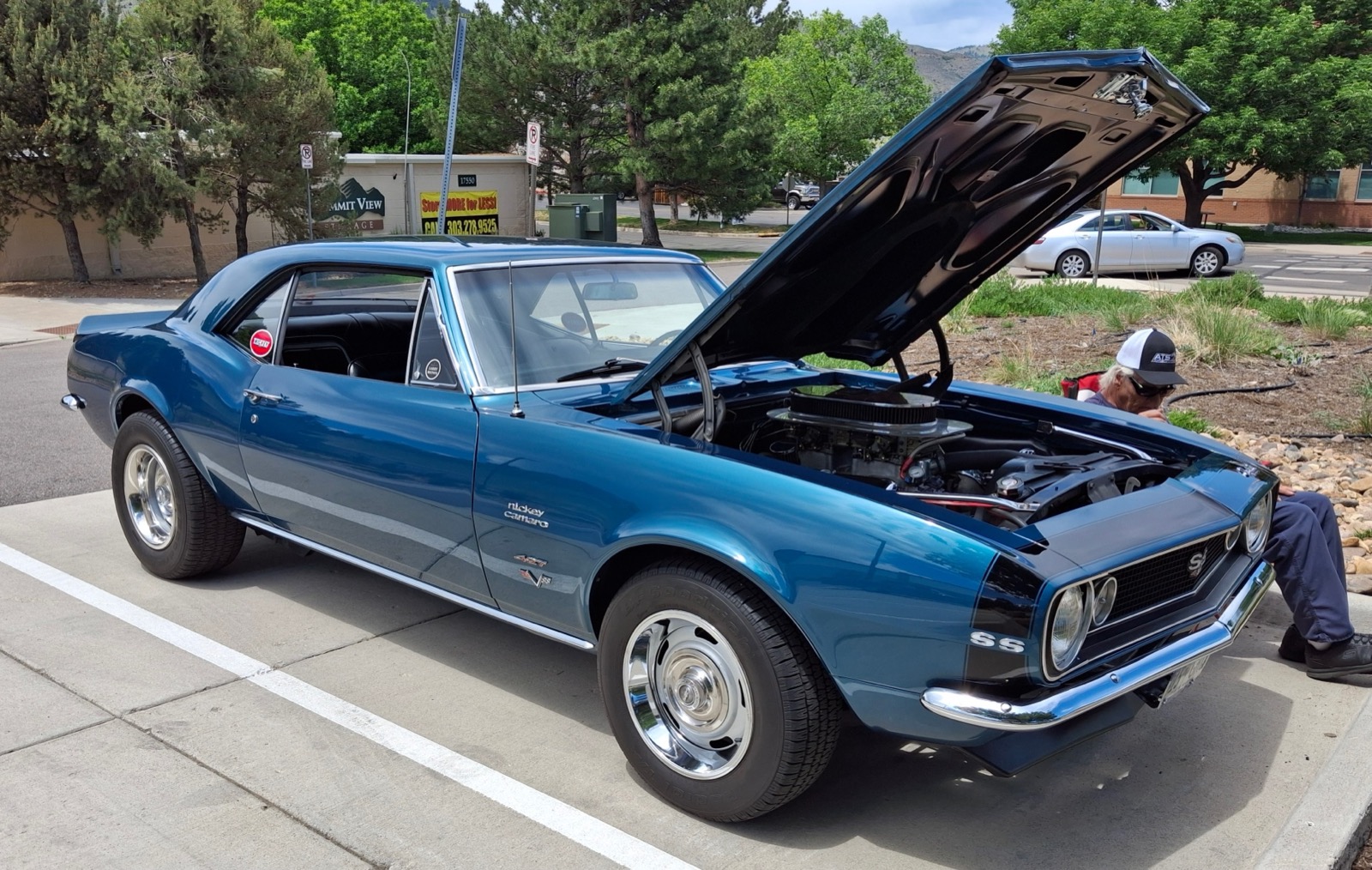
The dealer-tuner Camaros are filed under the dealerships. Yenko. Nickey. Dana. Baldwin-Motion. Those are the names on the badges, in the auction catalogues, on the fender stripes.
The engineering behind several of them was the same man, and his name is on almost none of them.
Dick Harrell was born in 1932 and raised in New Mexico, and by the early 1960s he was winning: NHRA Super Stock class champion in 1962, an AHRA Winter Nationals win and a 118.57 mph class speed record in 1963. He picked up the nickname "Mr. Chevrolet" after GM withdrew from factory racing in the mid-1960s — which is a nickname describing a vacuum as much as a driver. Chevrolet was not at the drag strip. Harrell was, in a Chevrolet, winning.
From 1966 he engineered and built high-performance cars for Nickey Chevrolet in Chicago, working alongside Bill Thomas Race Cars. He is widely credited with putting the first 427 into a Camaro sold as a dealer-installed new car, in 1967 — though every source that says so hedges it as something believed rather than documented, and Dana Chevrolet claims the same first. He later engineered conversions sold through Yenko's channels, and opened his own Performance Center in Kansas City in 1968.
The factory connection ran deeper than parts. Harrell did development work on the all-aluminium ZL-1 427 — the engine in the 69 COPO 9560 Camaros, the most extreme thing Chevrolet ever quietly sold. He also built competition automatic-transmission 427 Novas out of Fred Gibb's COPO order, specifically to establish NHRA's automatic class. Same paperwork, same dealer, different car.
On 12 September 1971 he was killed at a drag strip in Toronto, driving a fuel funny car. A front tyre let go at speed and put him into a light pole. He was 39.
He has no entry in most Camaro histories. The cars do.
More on Dick Harrell, Fred Gibb, and the cars themselves.