John Z. DeLorean
Pontiac chief engineer, then general manager
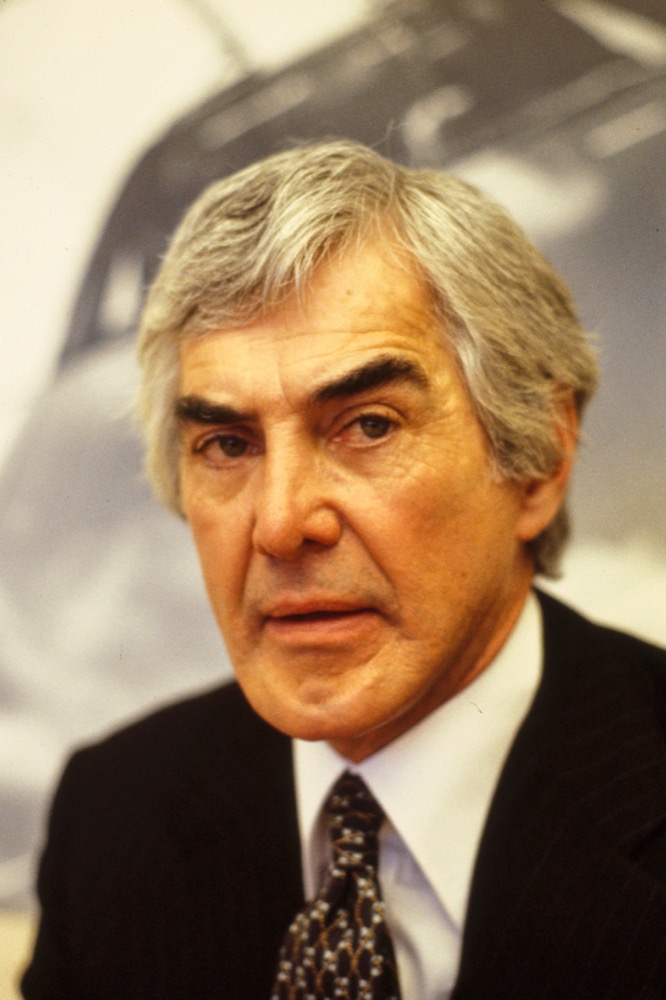
John Z. DeLorean was Pontiac's chief engineer and, from 1965, its general manager. He wanted a two-seat Pontiac sports car, the Banshee. What GM gave him instead was a Pontiac version of the Camaro's F-body: the Firebird.
DeLorean pressed GM leadership for the two-seater through the mid-1960s, but Ed Cole would not approve it. His compromise was a Pontiac-badged version of the Chevrolet F-body already in development.
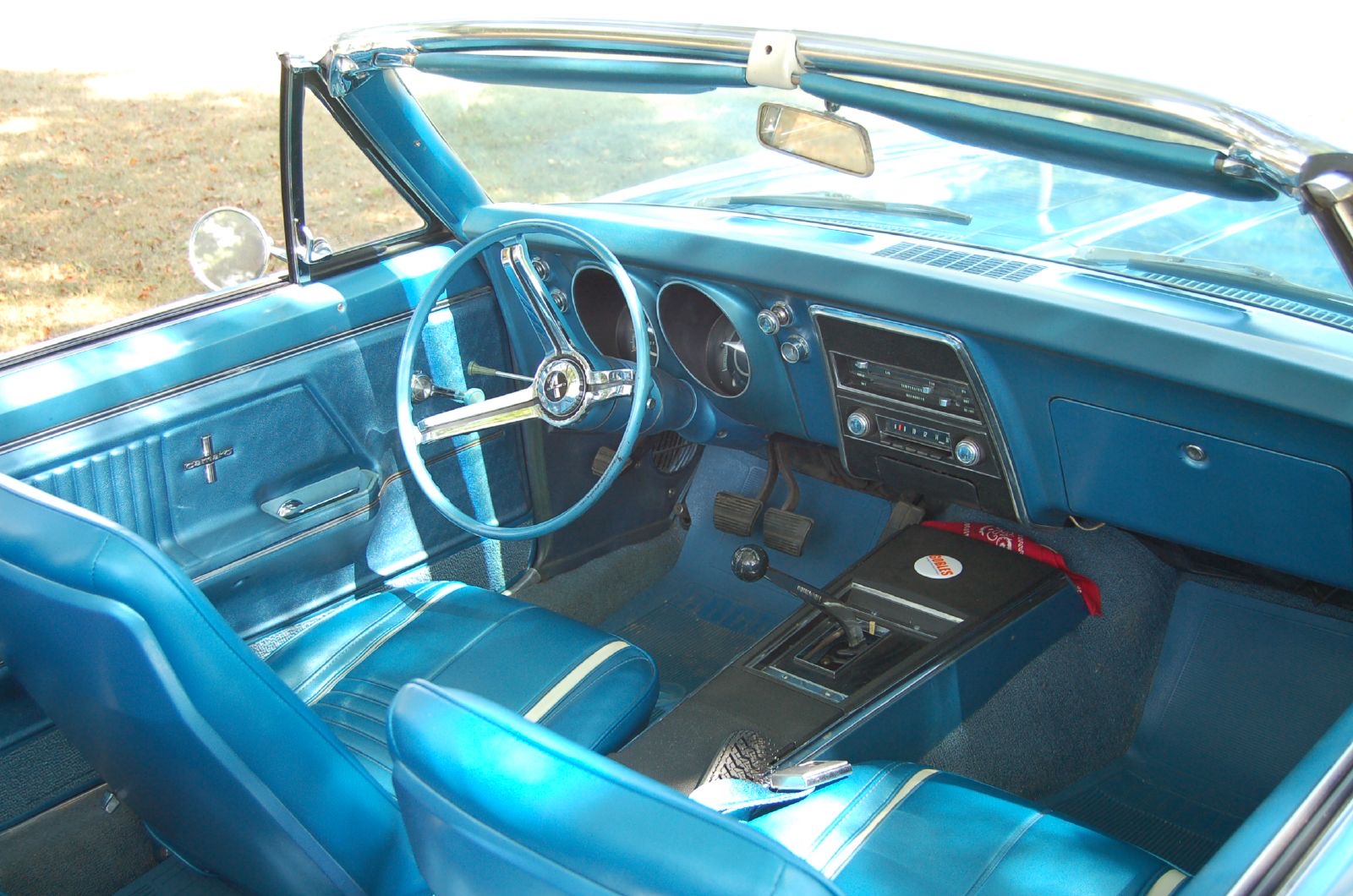

DeLorean's engineers made the most of it. The Firebird got its own spring and damper calibrations, other chassis differences and distinctly Pontiac styling. It reached showrooms on February 23, 1967, deliberately a few months after the Camaro's September 1966 debut so the two cars would not share the launch headlines.
That started the Camaro-Firebird rivalry, which ran on a shared platform until both cars ended in 2002. The pressure also ran the other way. When Pontiac's Firebird Trans Am kept selling through the mid-1970s after Chevrolet had dropped the Z28, it was the Trans Am's success that brought the Z28 back in 1977.
Did you know
- DeLorean was named general manager of Chevrolet on February 15, 1969, succeeding Pete Estes, so the second-generation Camaro that arrived for 1970 was launched on his watch, in a lineup that also introduced the Monte Carlo. It was a promotion from Pontiac, where he had been the youngest division head in GM history.
- The Firebird was an order, not a gift. In March 1966 Cole told DeLorean to make a Pontiac out of the Panther, Chevrolet's Mustang fighter. DeLorean, who wanted a distinct sports car, resisted a badge-engineered Chevrolet before accepting. In its first year the Firebird sold 82,565 cars to the Camaro's 220,906.
- The two-seater he wanted was real. Pontiac's secret XP-833 project produced six cars, SP-1 through SP-6, and only the last two ran: a silver coupe with an overhead-cam six and a white roadster with a 326 V8. Management's objection, in DeLorean's telling, was that the Corvette Sting Ray hadn't yet reached 30,000 sales a year and the Pontiac would cannibalize it.
- He became Pontiac's chief engineer in 1961 and its general manager at age 40. The GTO arrived in 1964 as a Tempest/LeMans option package, the Firebird followed in 1967, and Grand Prix output jumped to more than 112,000 for 1969 from about 32,000 the year before.
- He left GM on April 2, 1973, to start his own car company. Arrested on cocaine-trafficking charges on October 19, 1982, he was acquitted on an entrapment defense on August 16, 1984.
Sources for these details
- Pontiac Preservation Association - John DeLorean bio Club/registry
- MotorCities - Remembering Chevrolet's Great Class of 1970 Reference
- Wikipedia - John DeLorean Reference
- Ate Up With Motor - Pontiac Firebird 1967-1969 (The Summer of John Z) Reference
- Old Cars Weekly - 1964 Pontiac Banshee XP-833 prototype Reference
- MotorCities - John DeLorean Was a Larger Than Life Automotive Figure Reference